
brecht: fragments

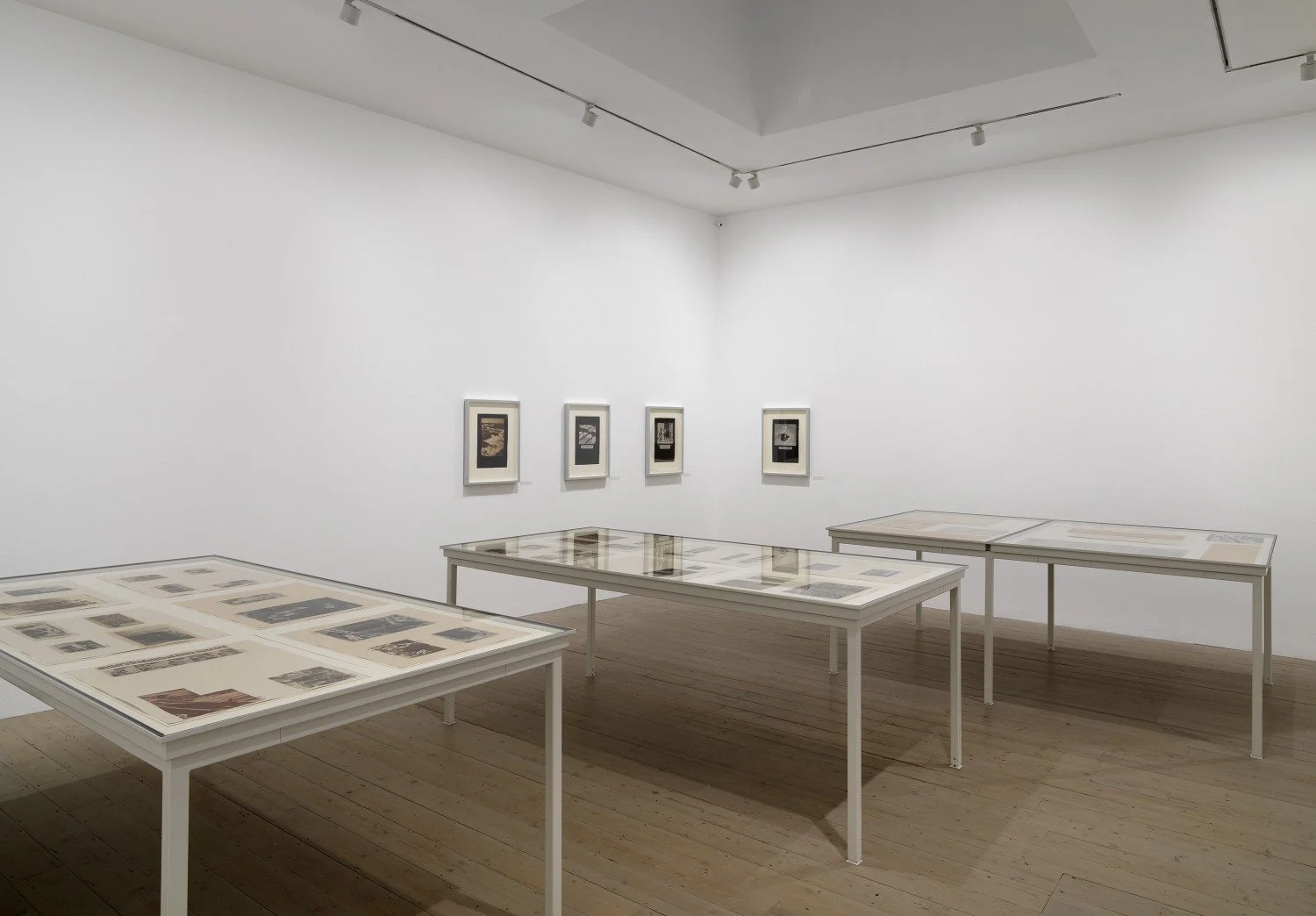
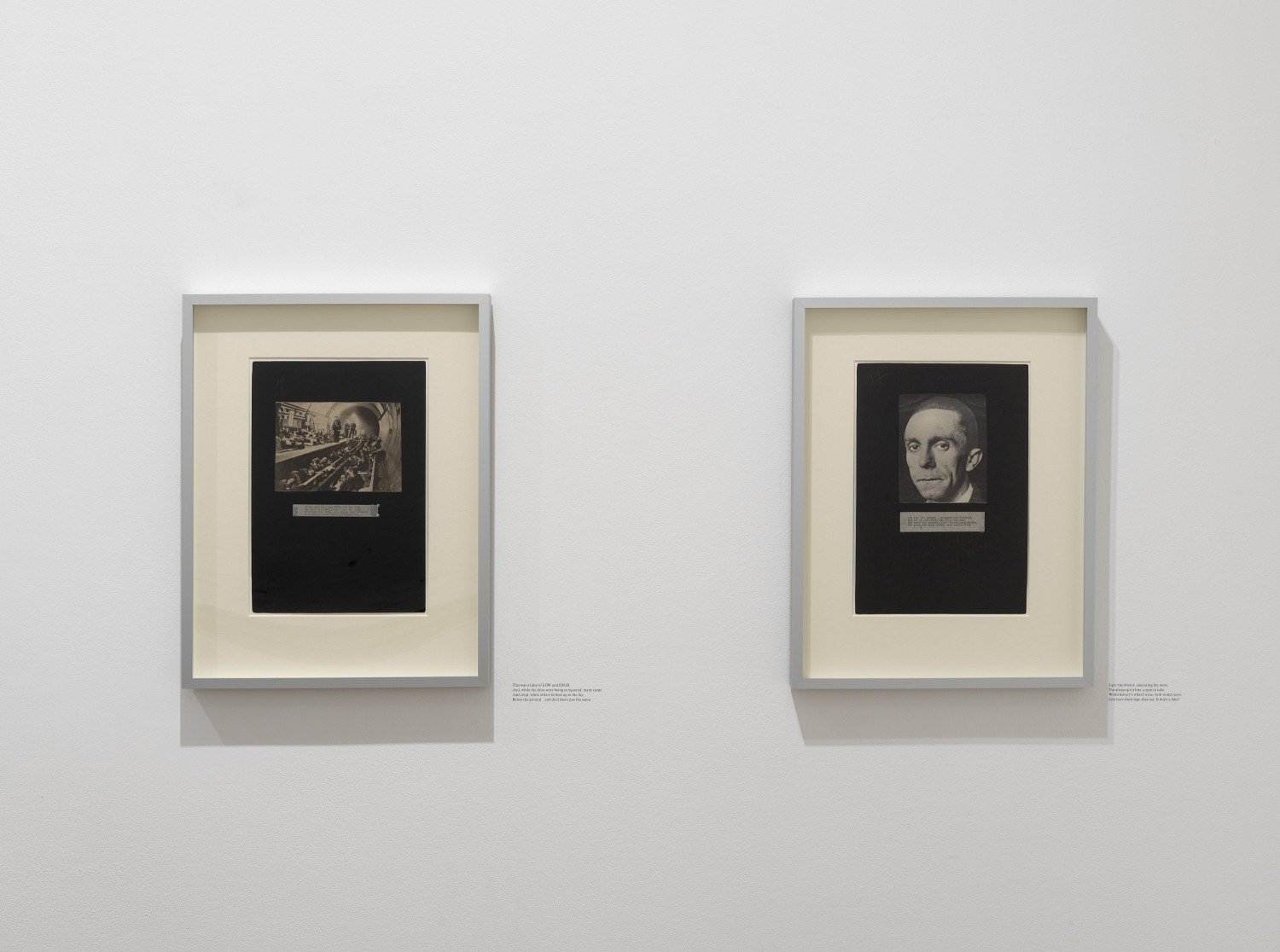
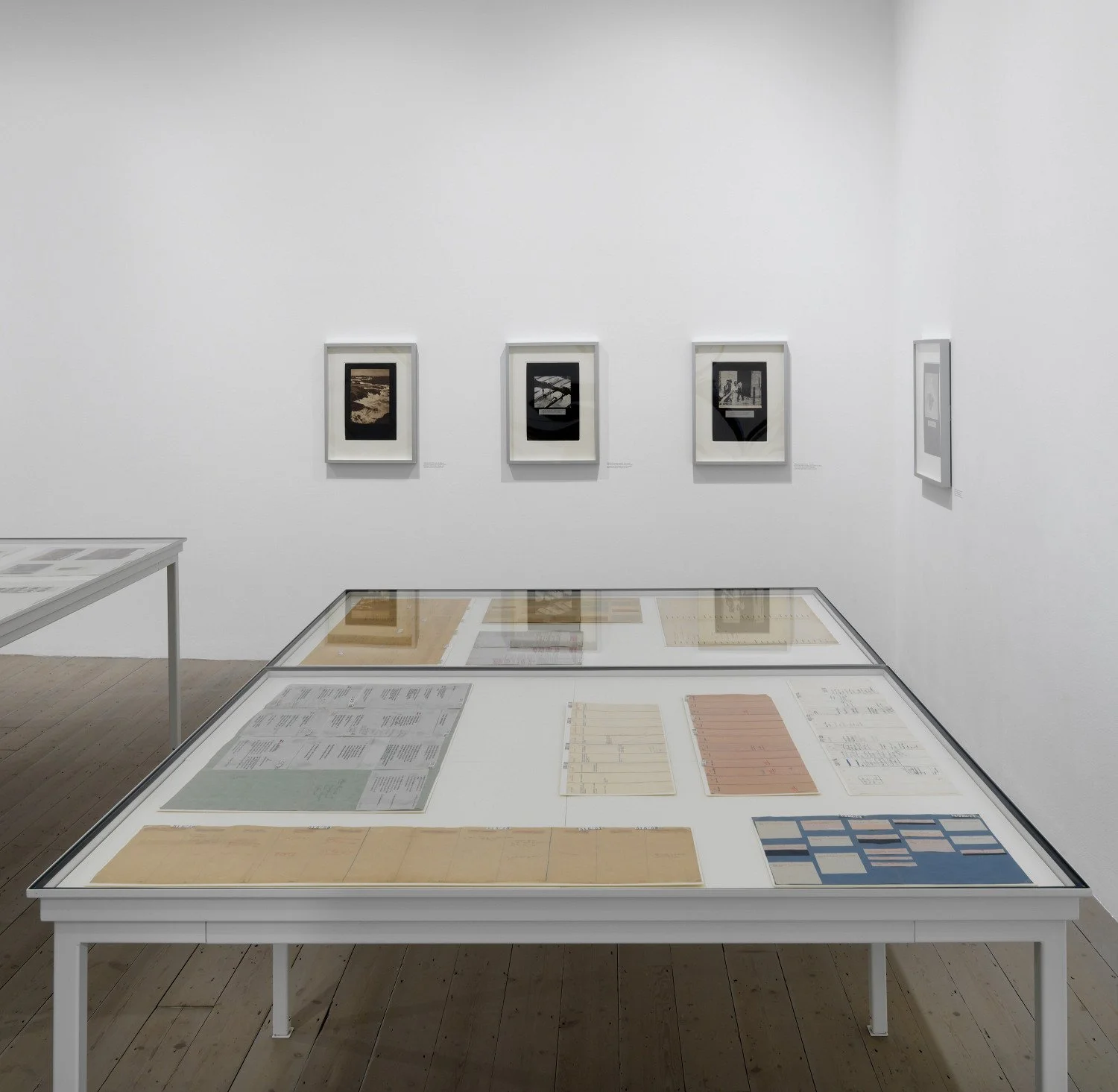
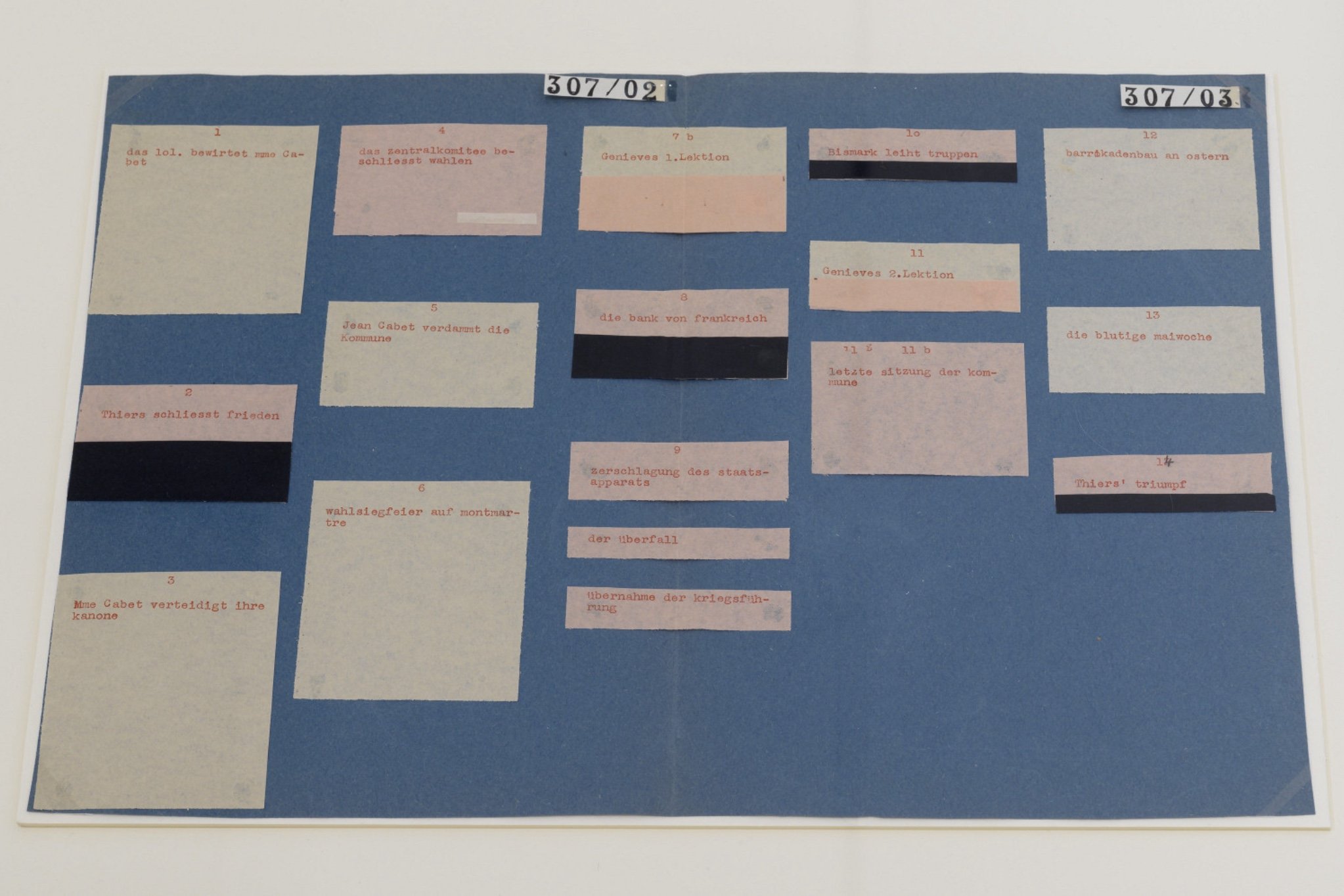
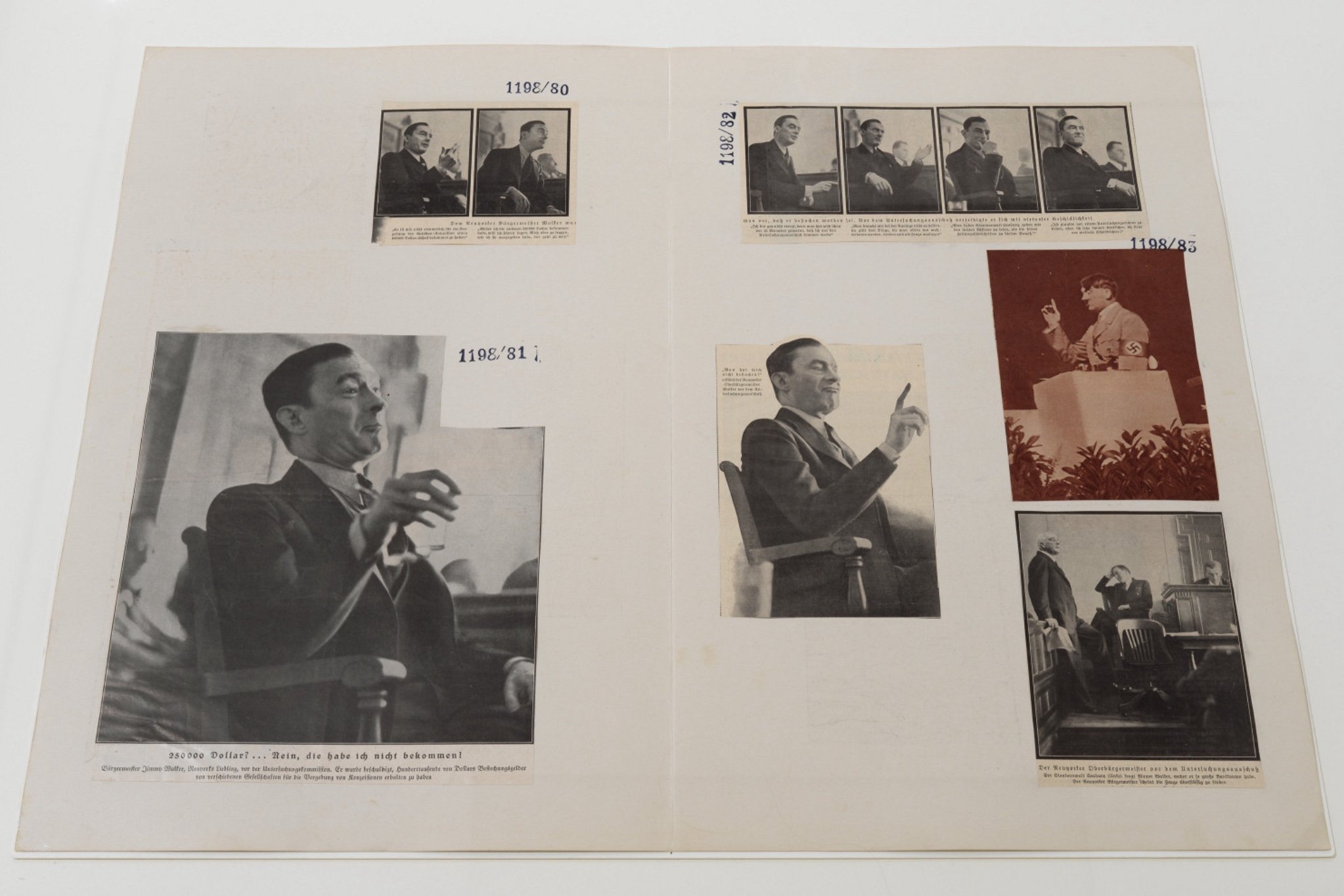
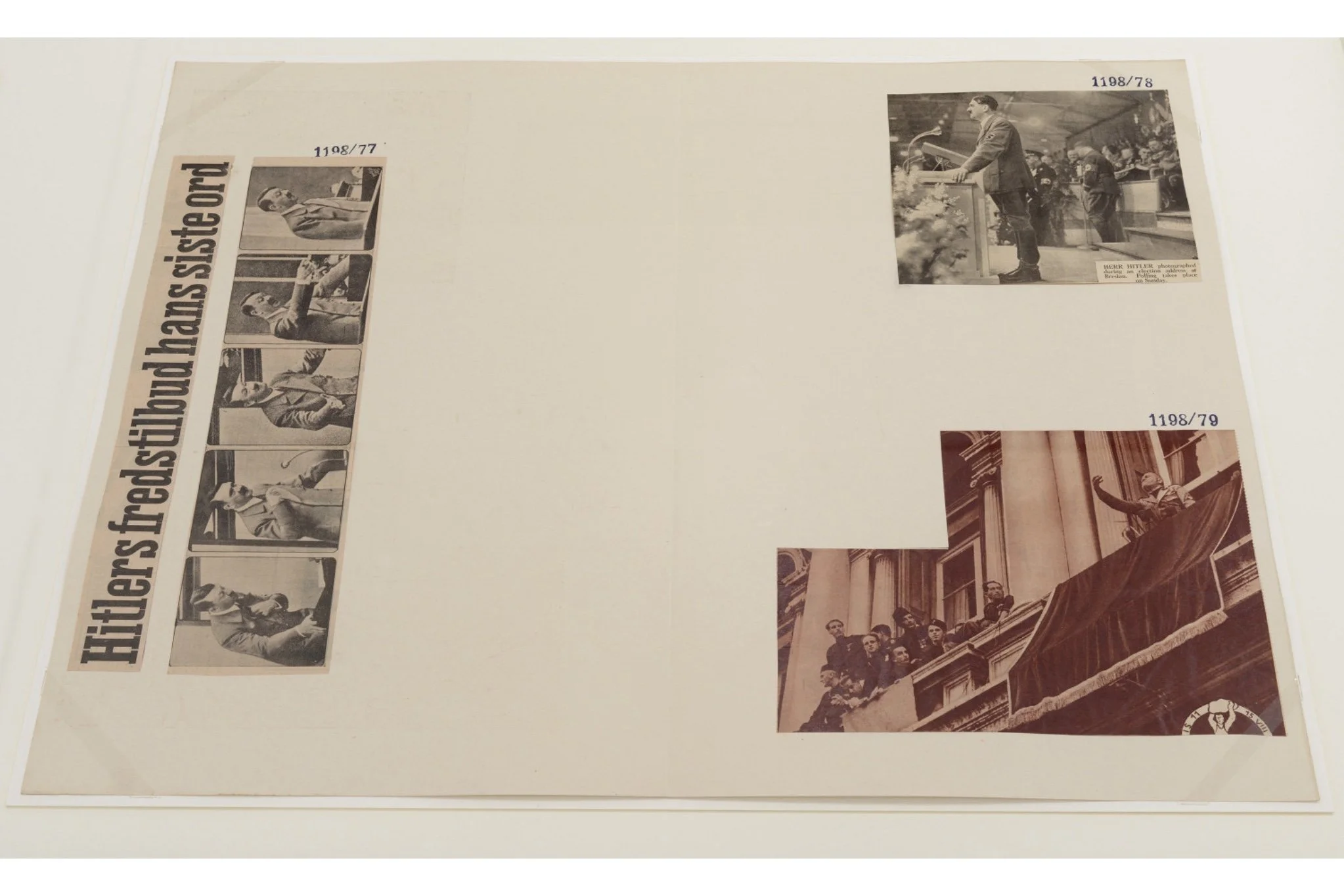
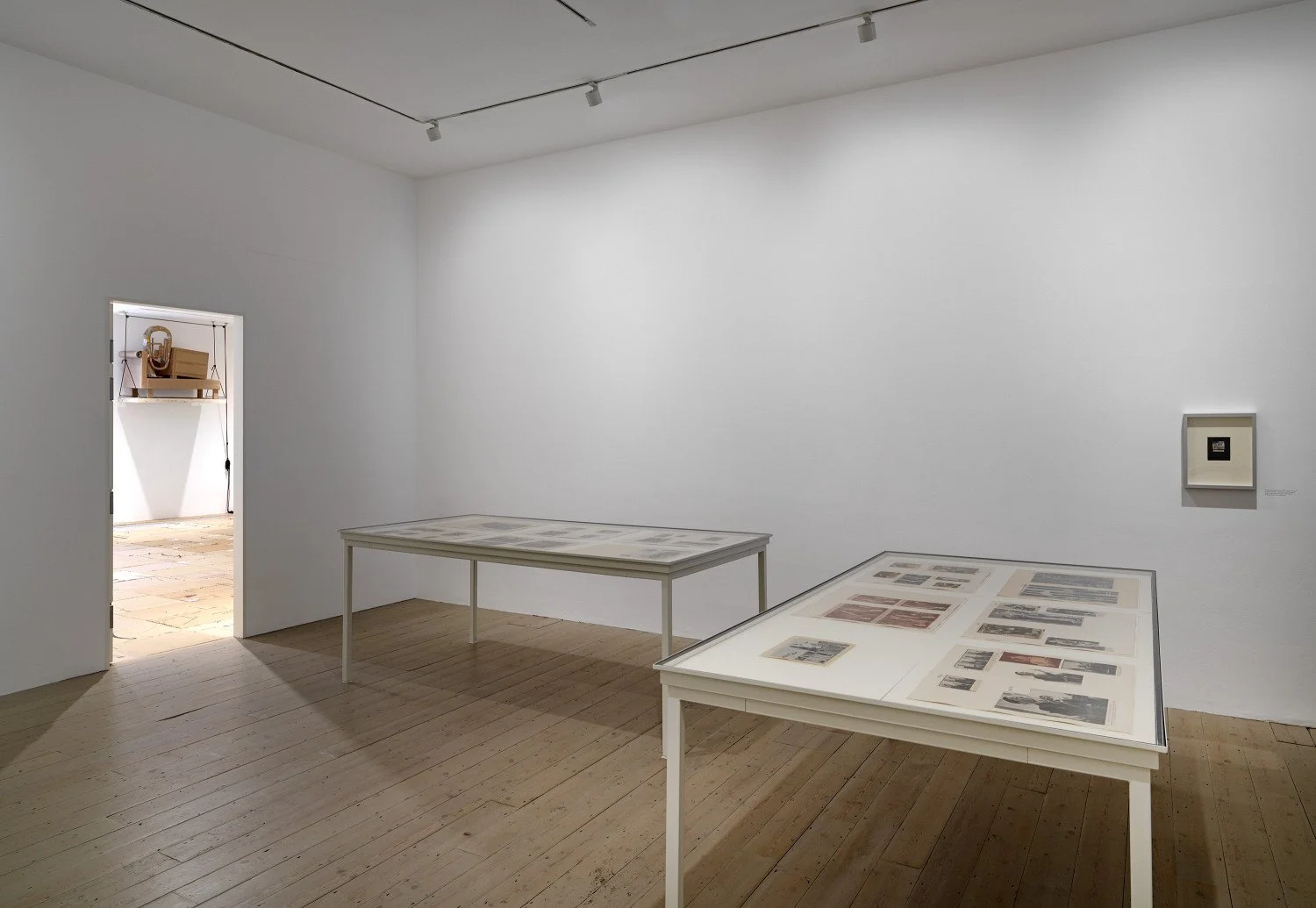
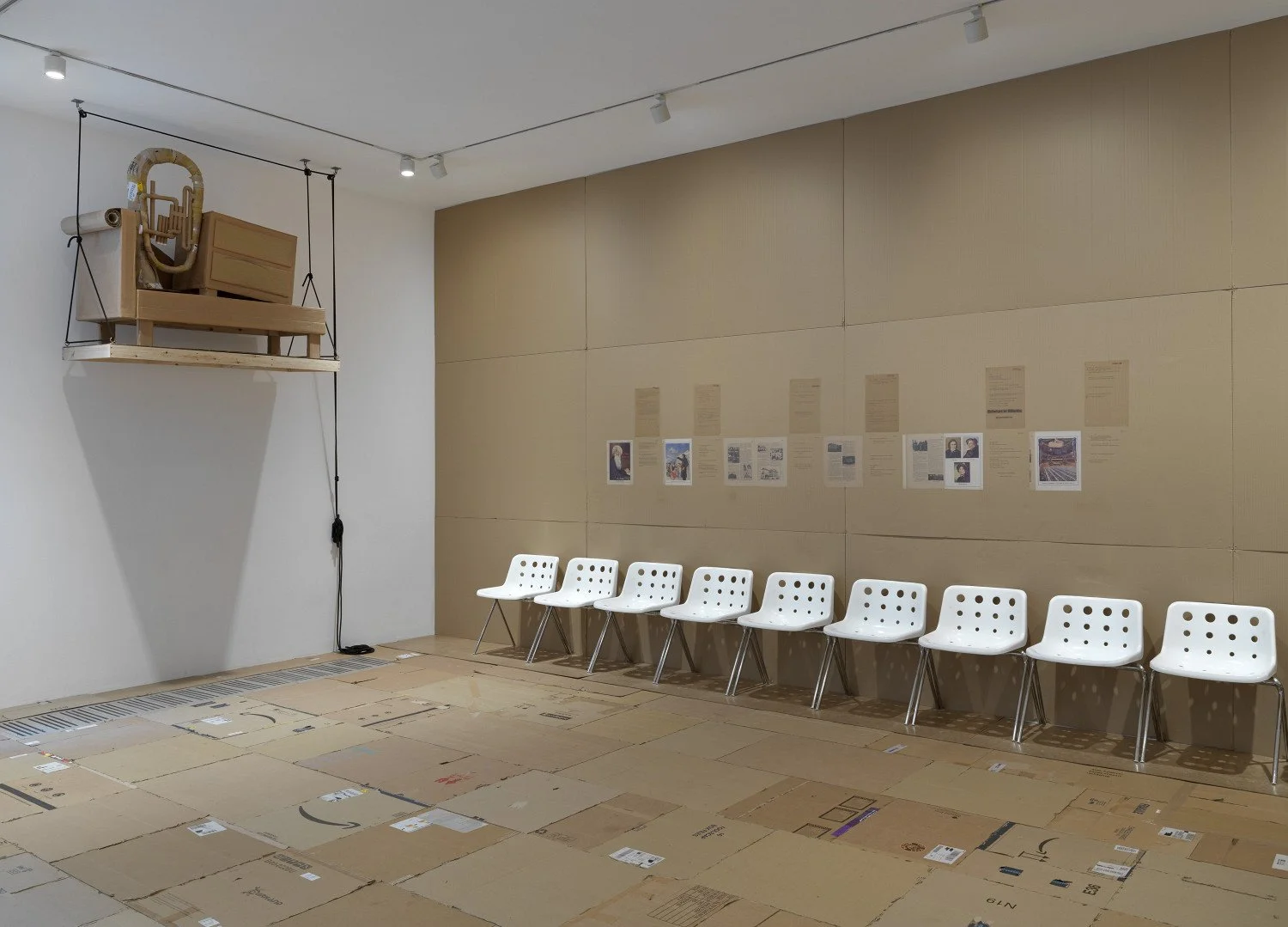




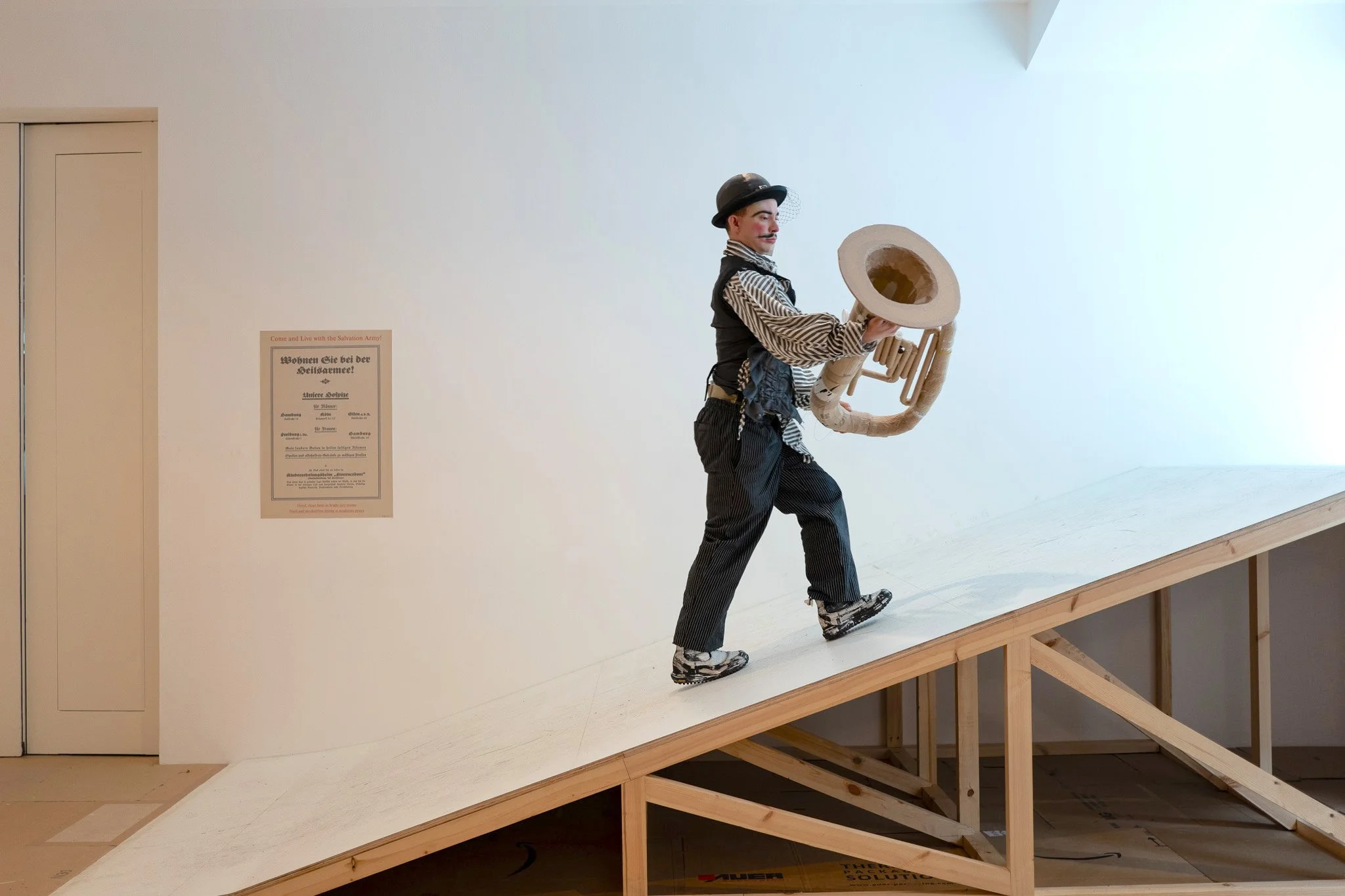
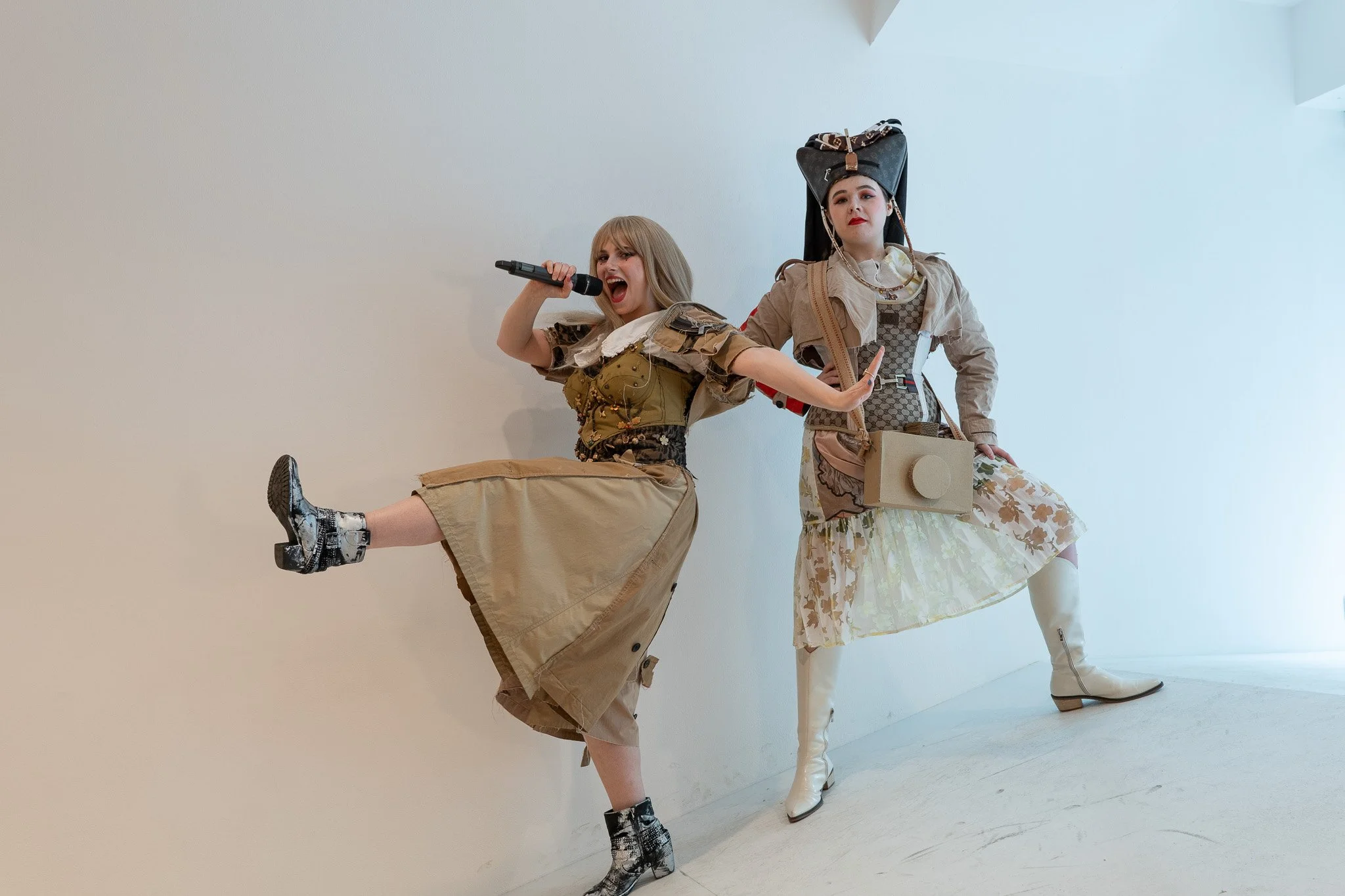
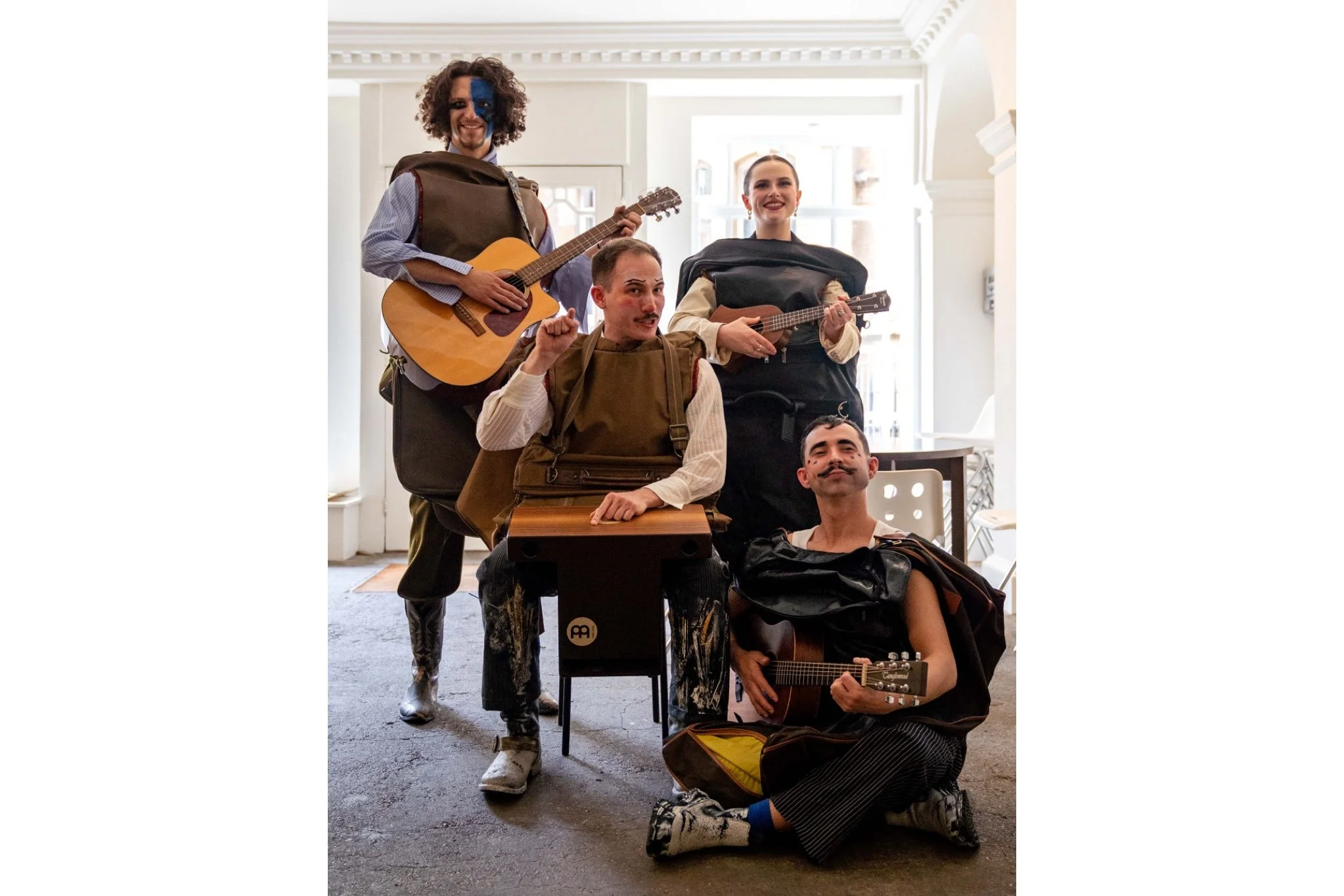

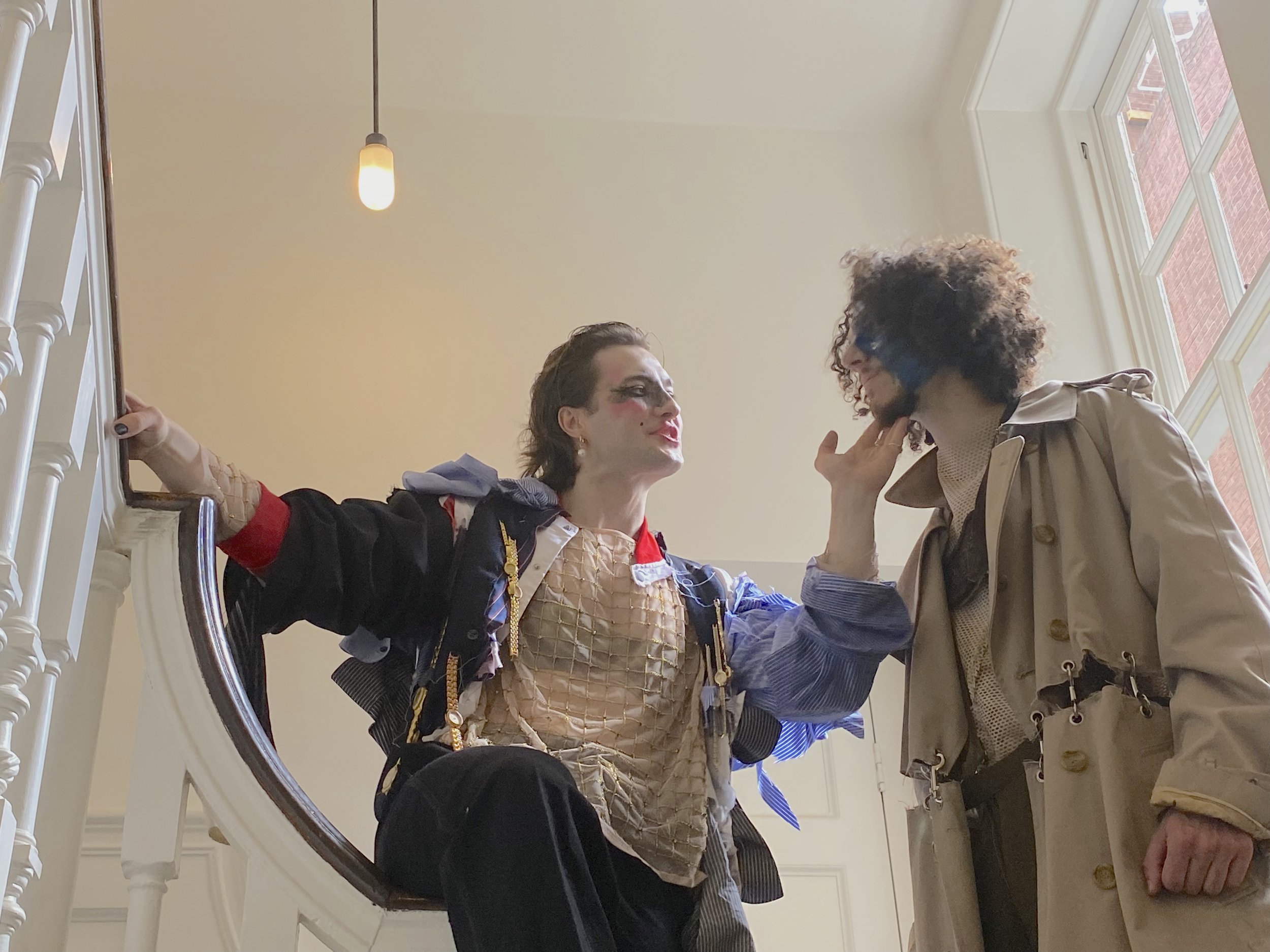




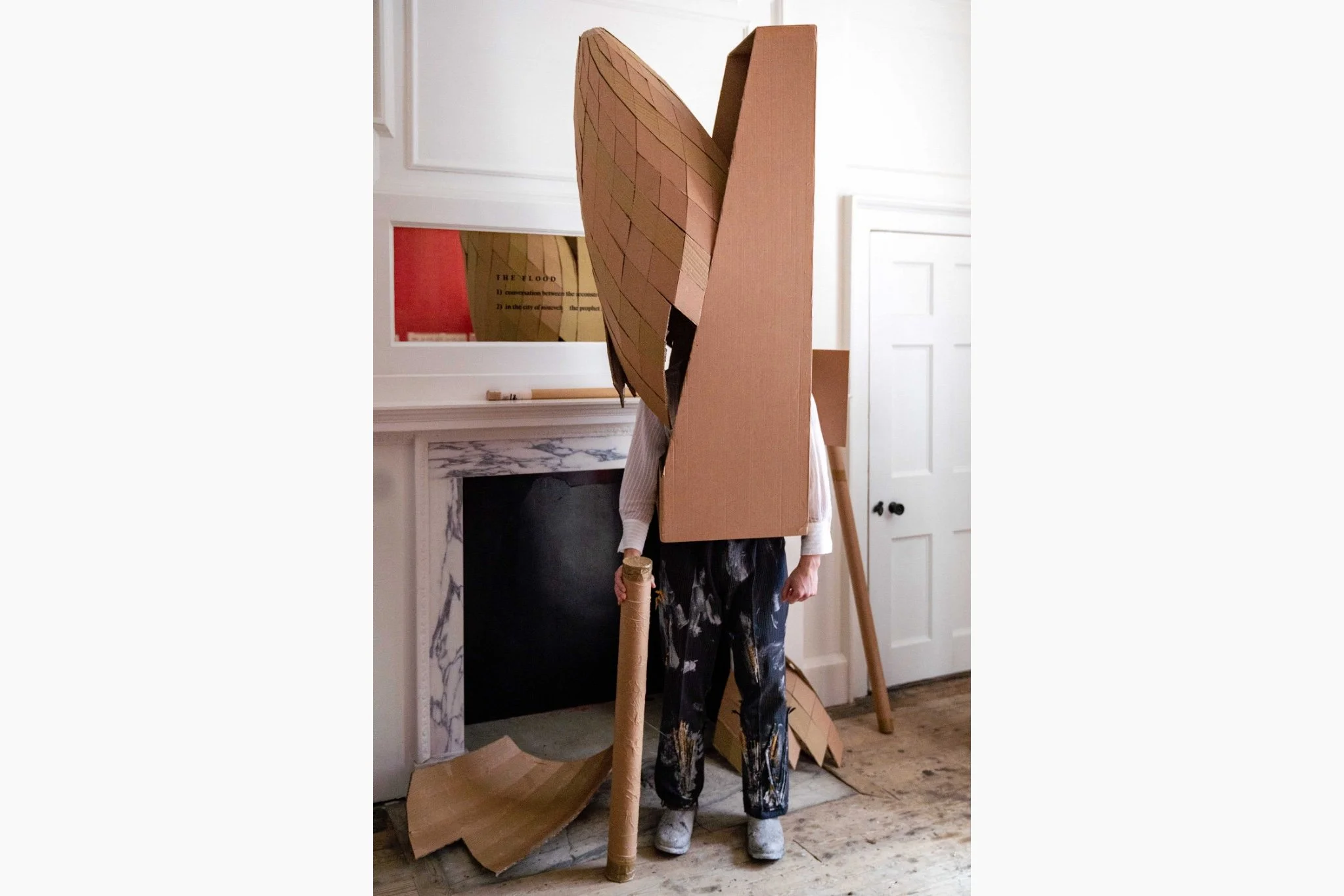
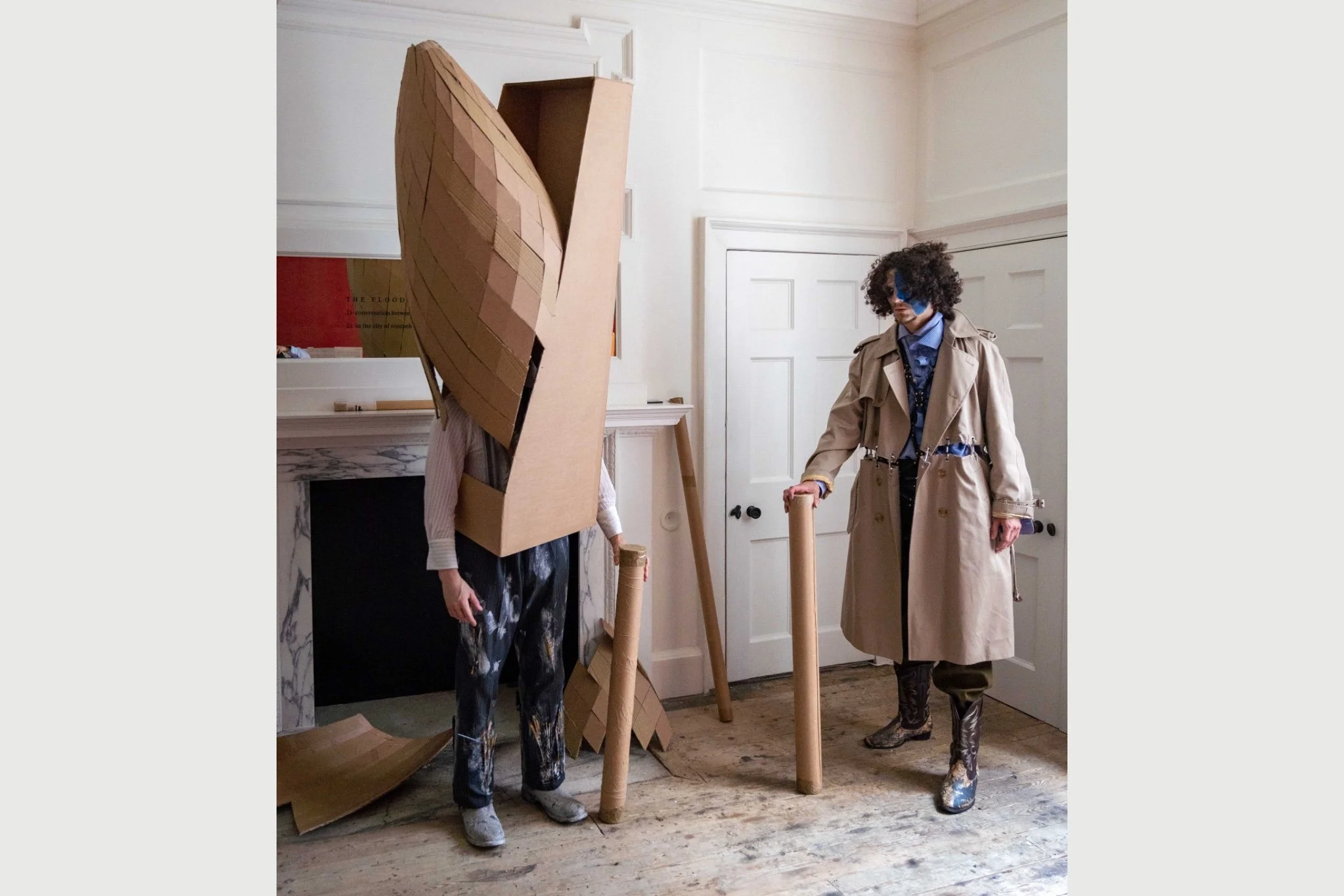


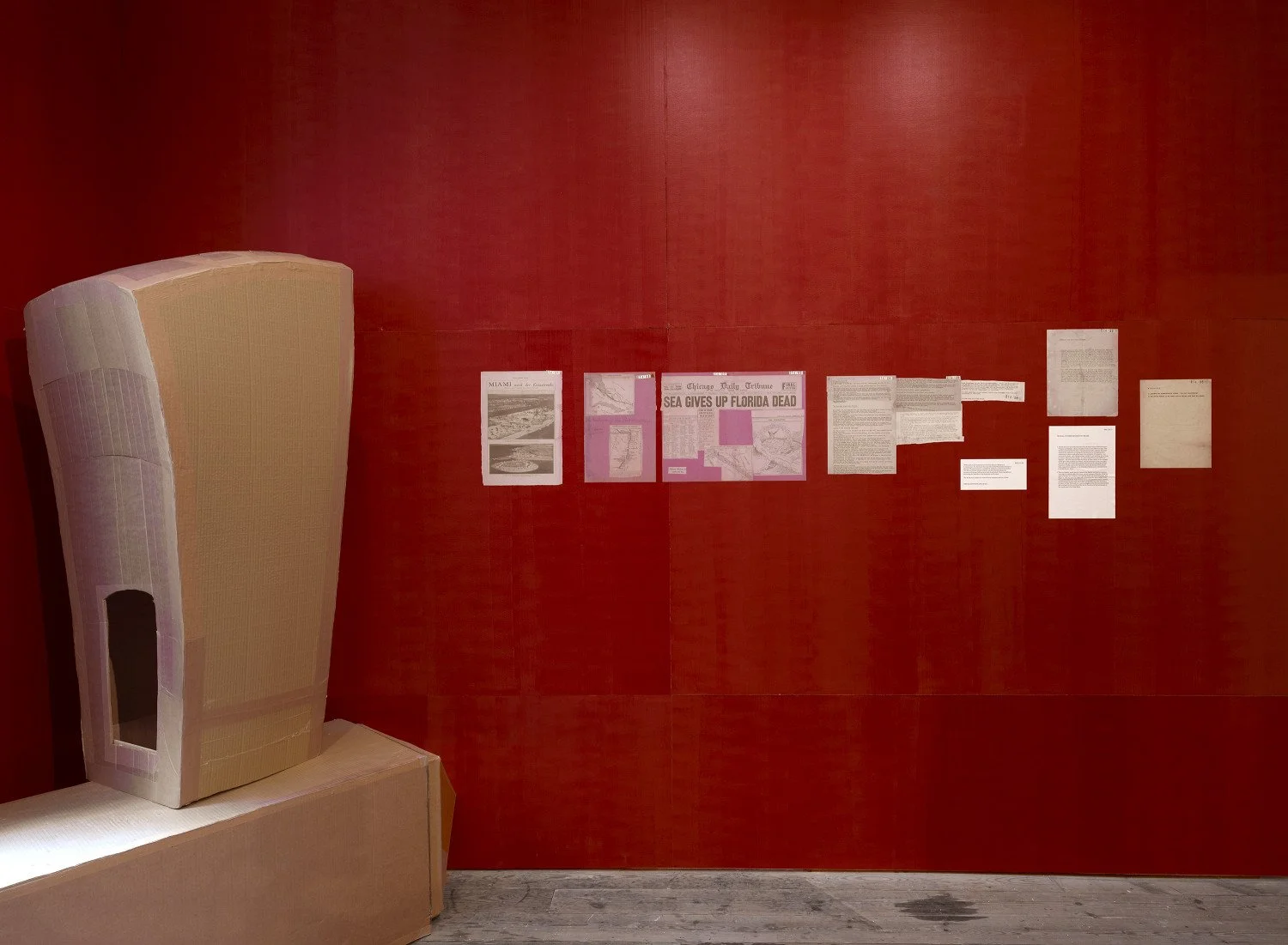
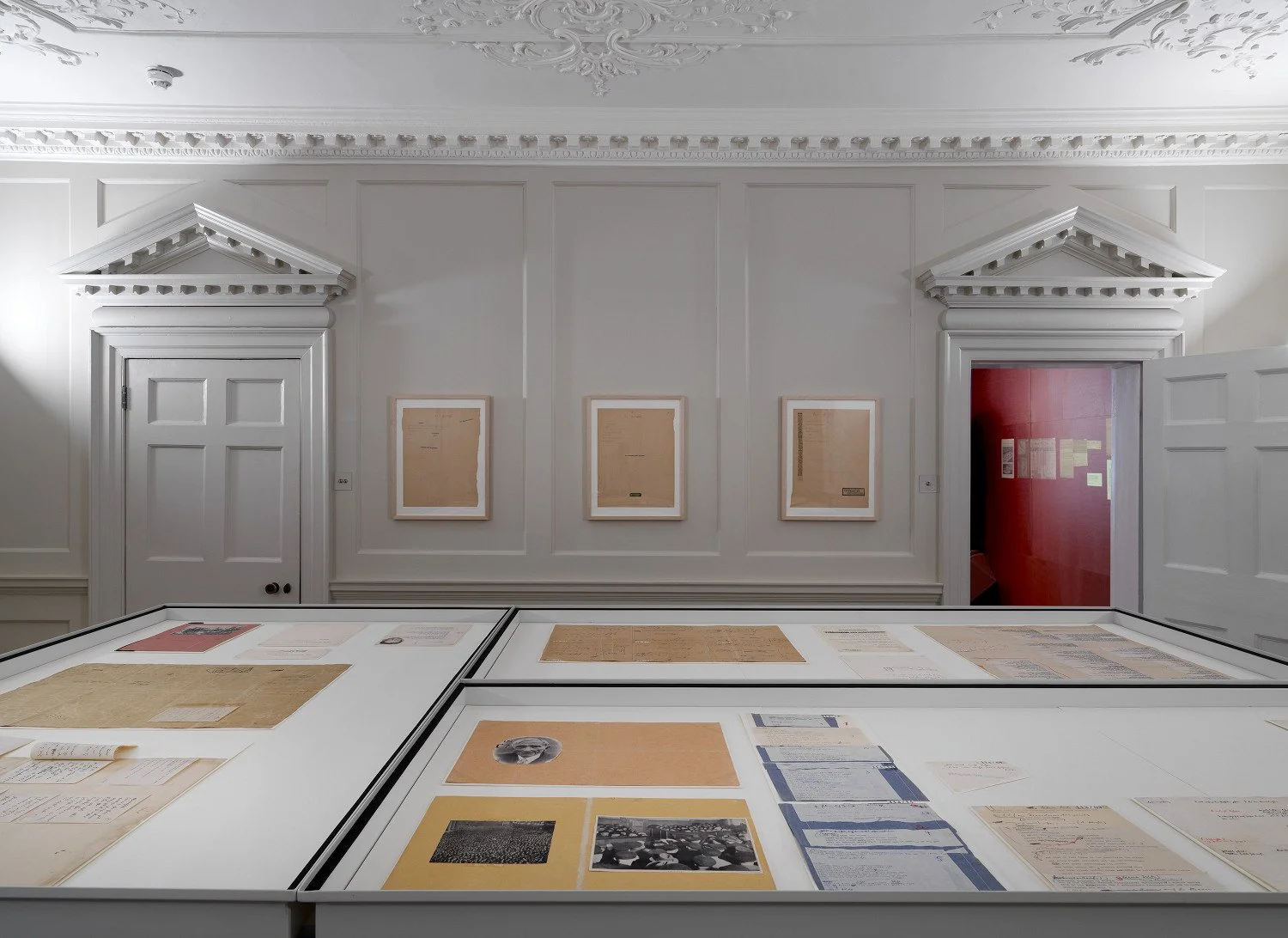
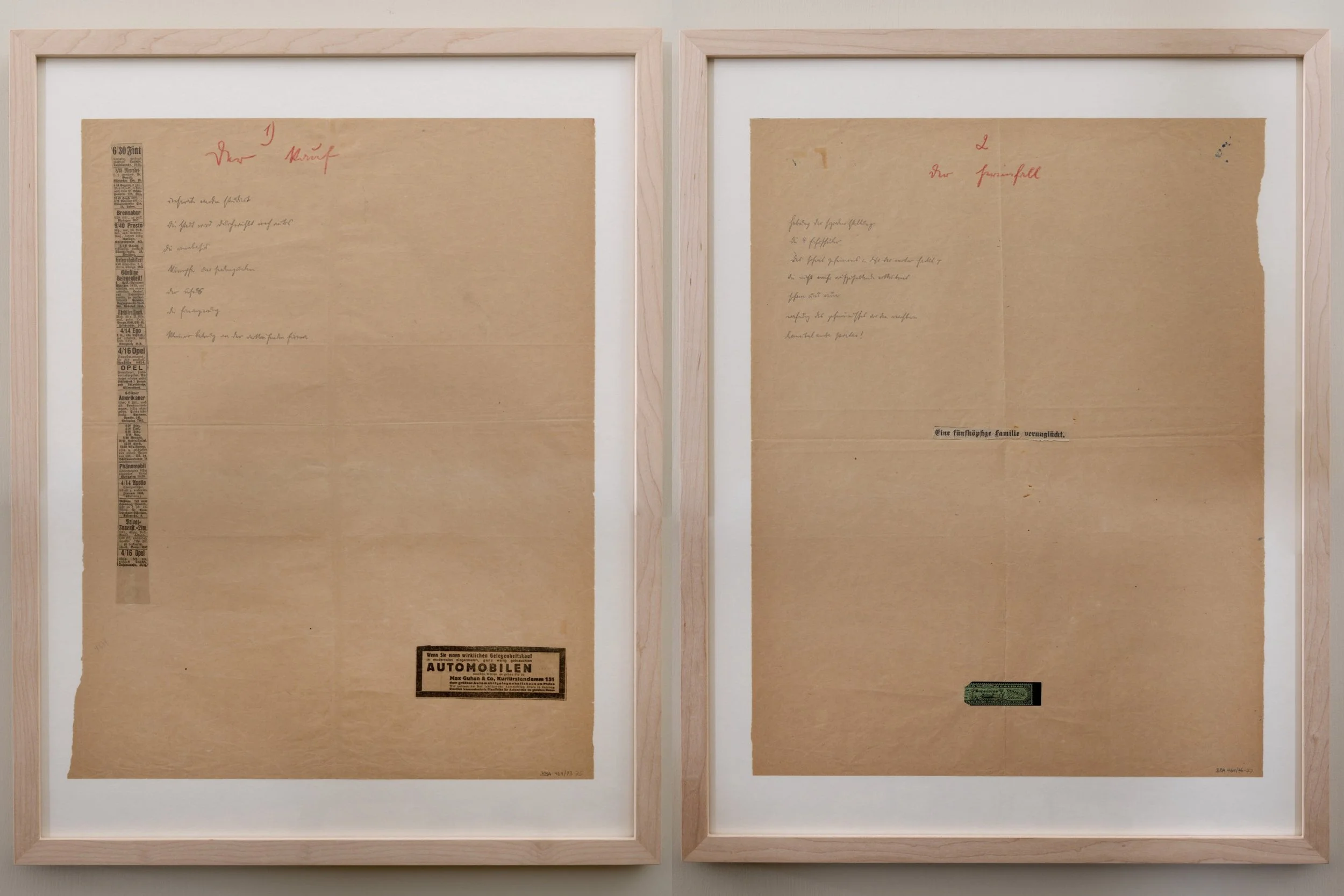
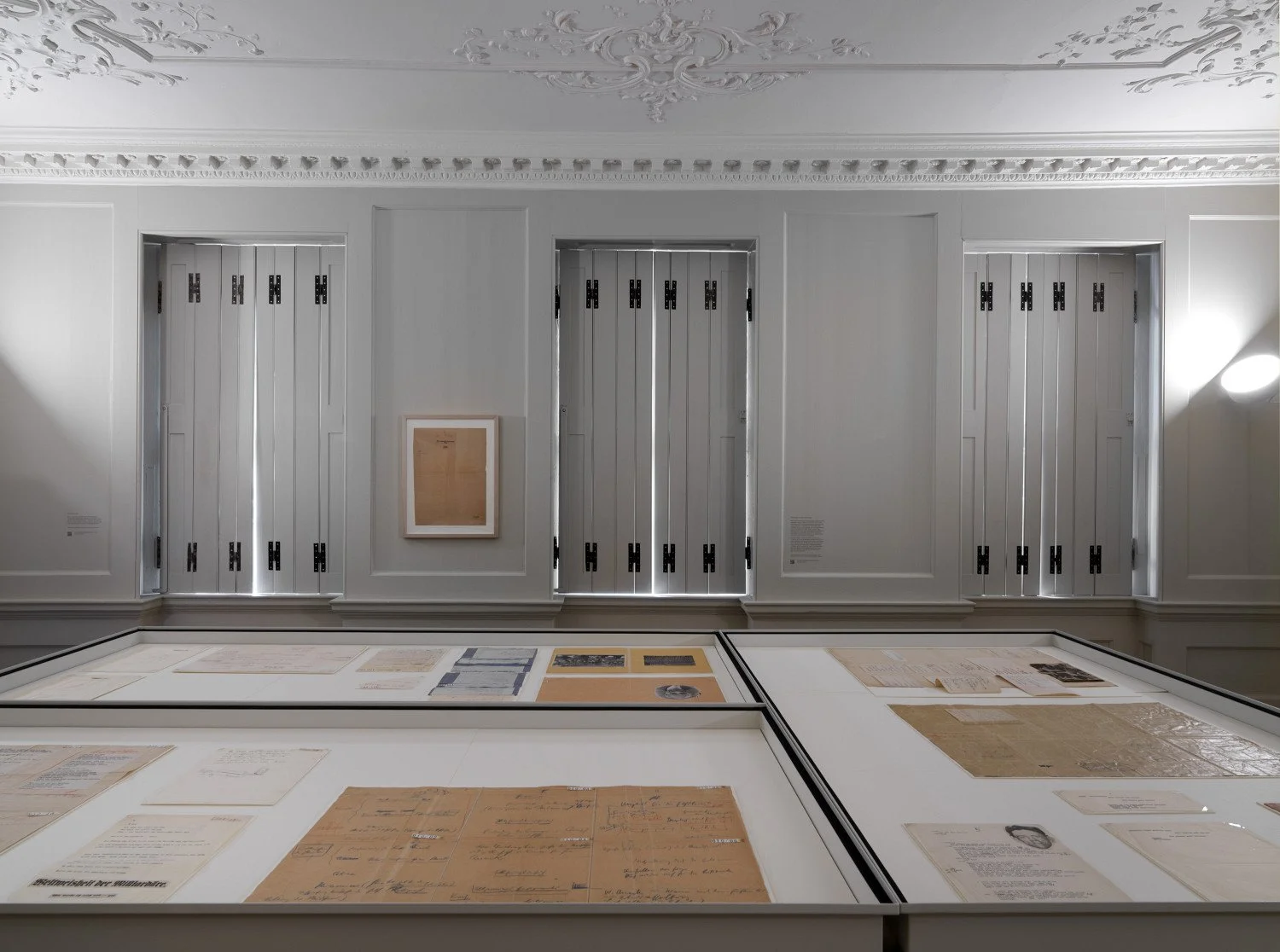
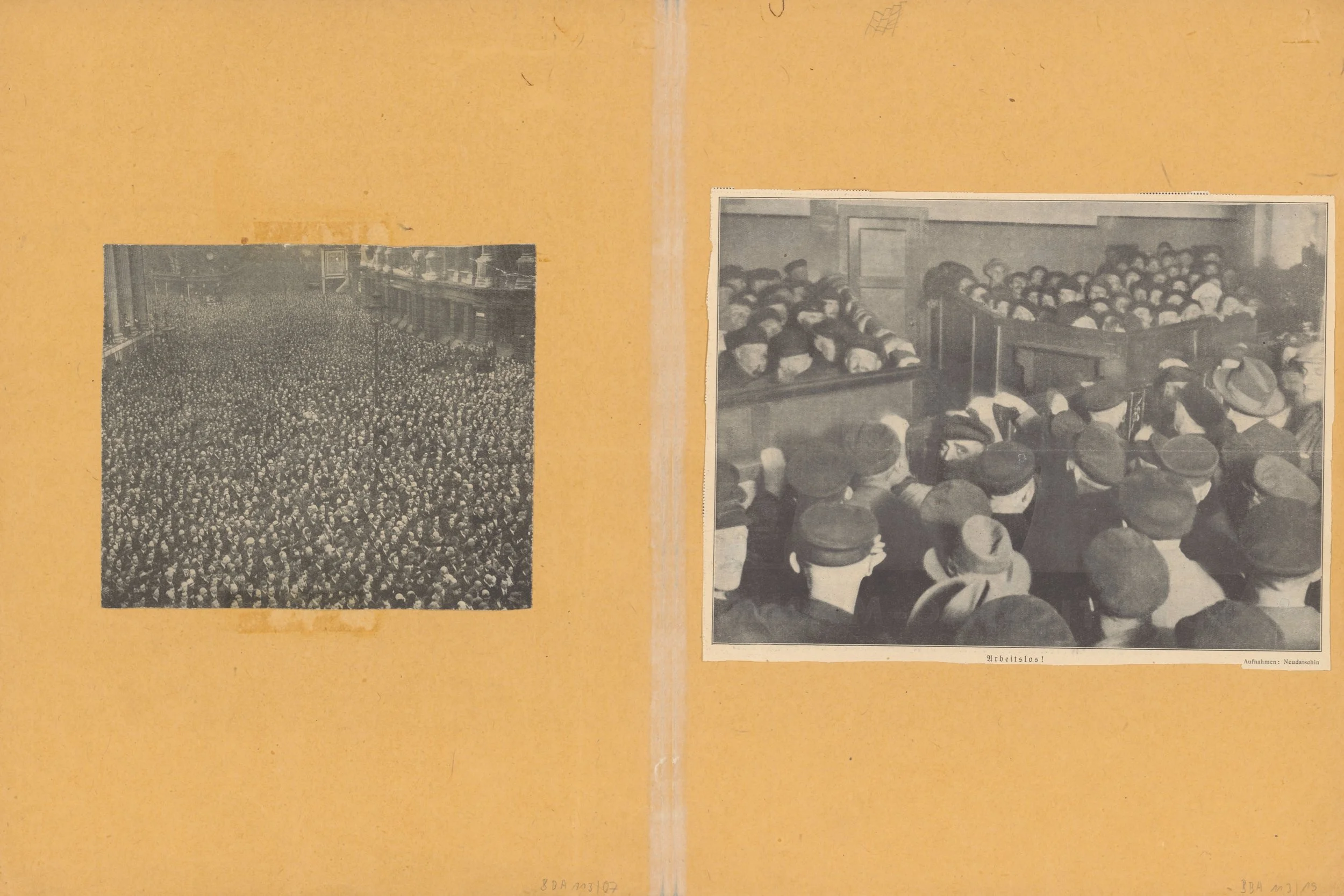
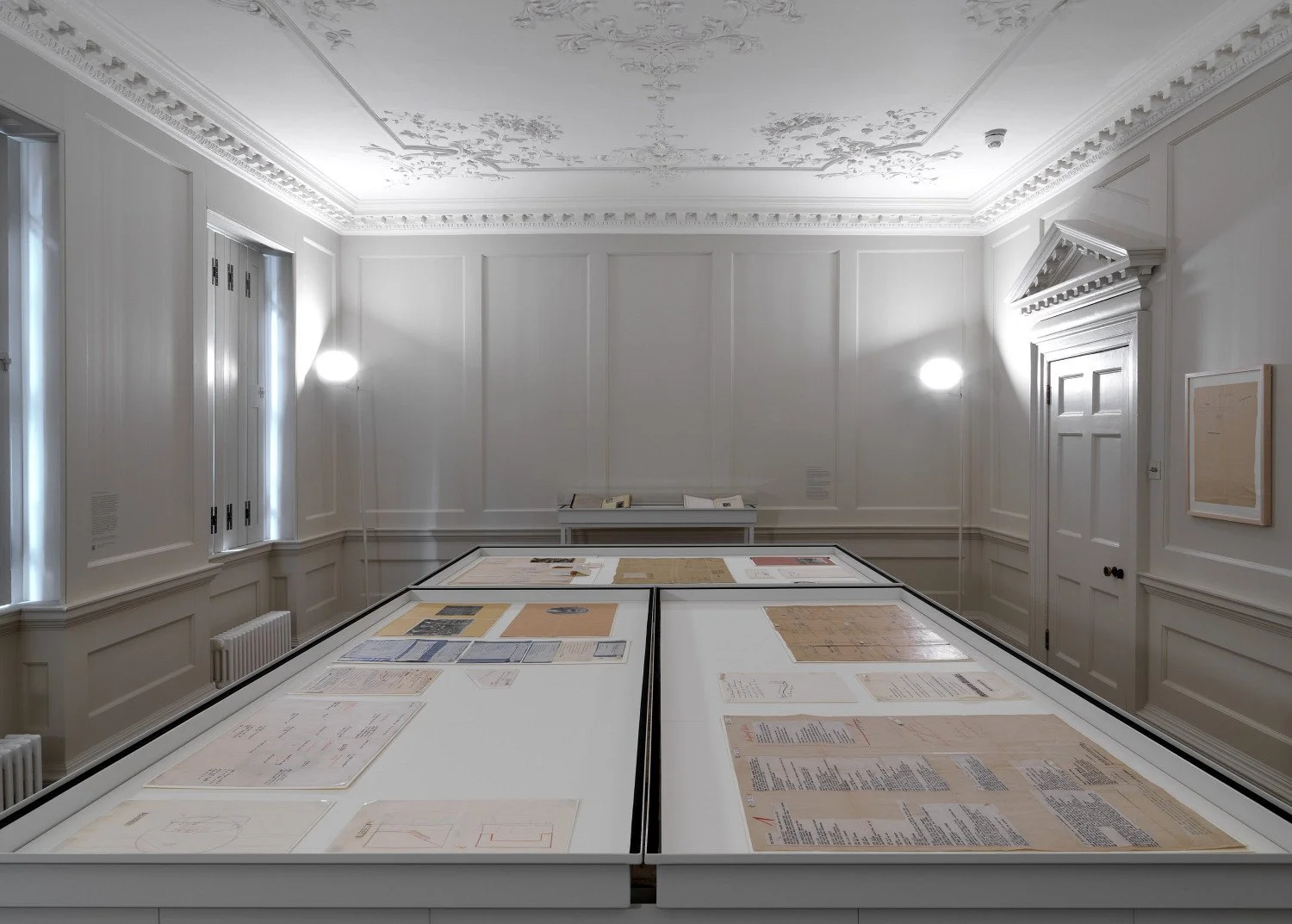
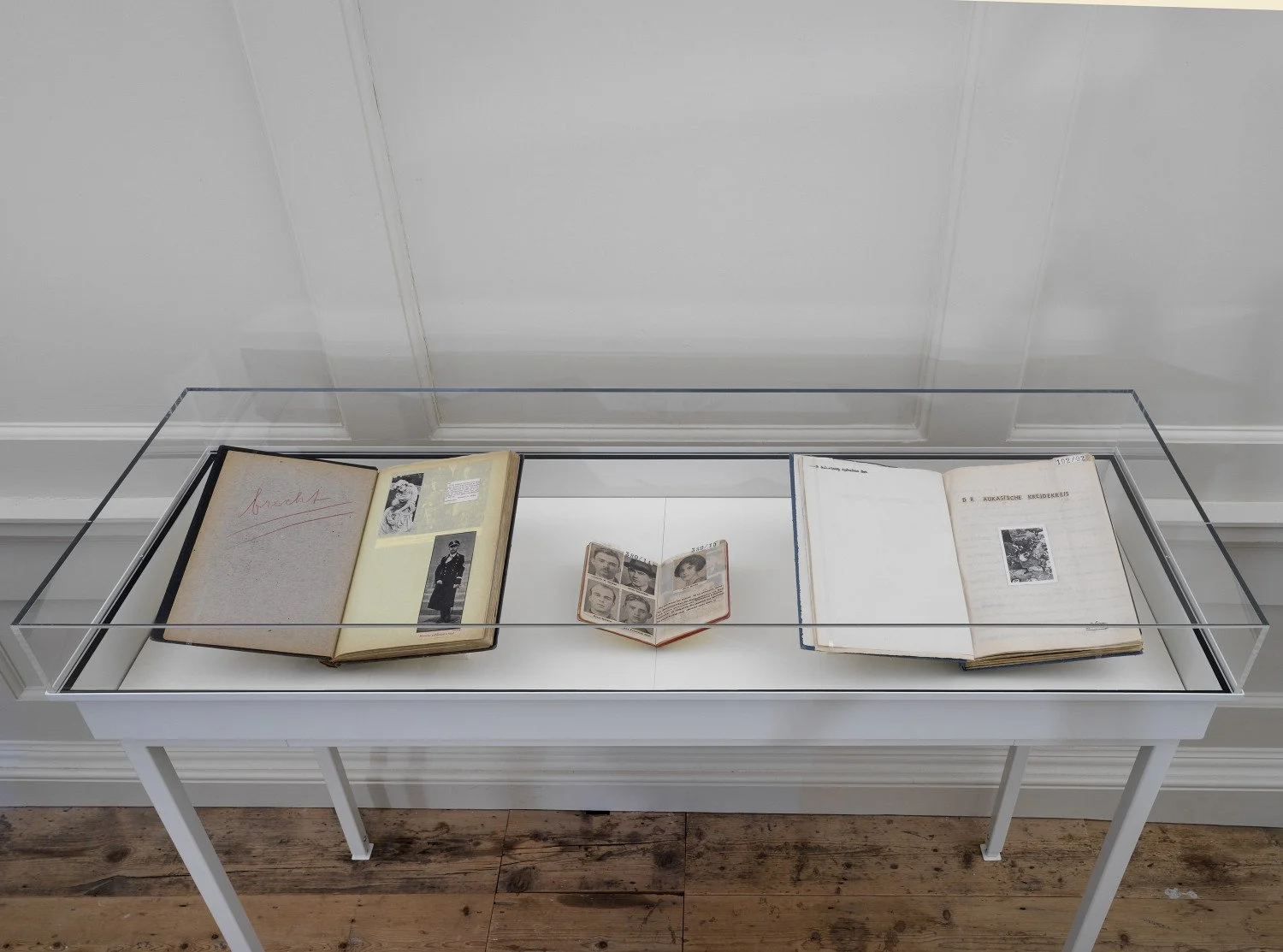
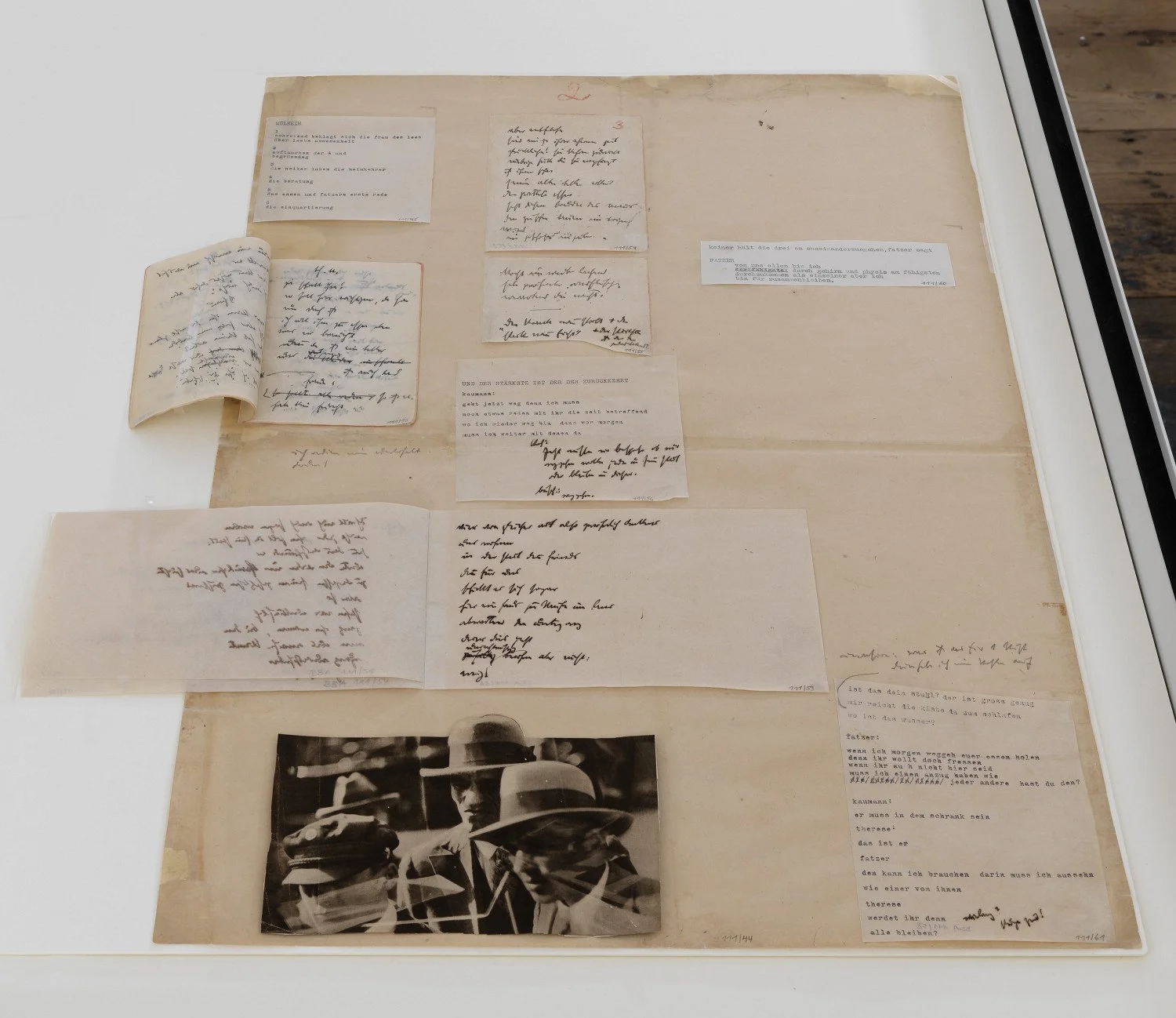
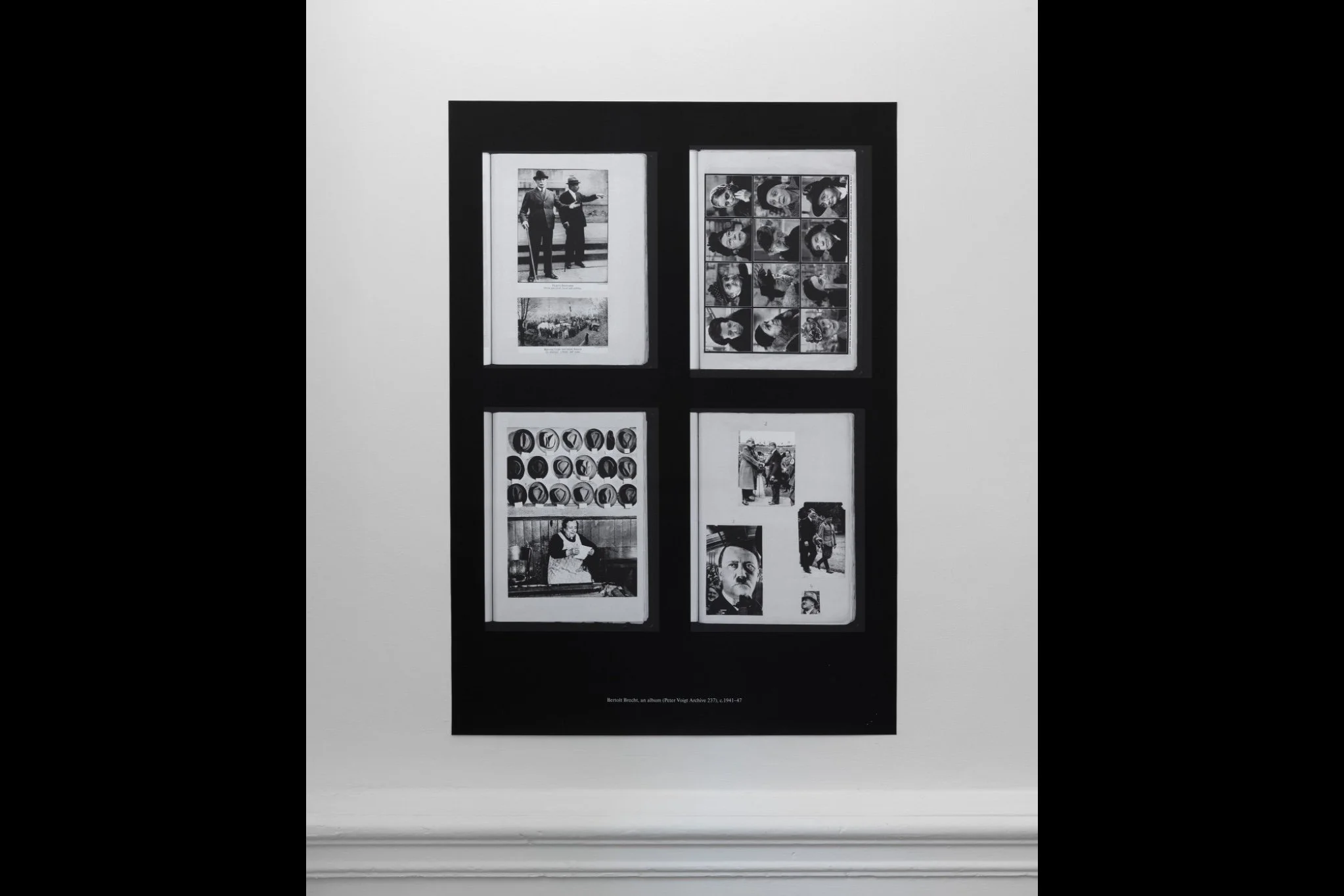


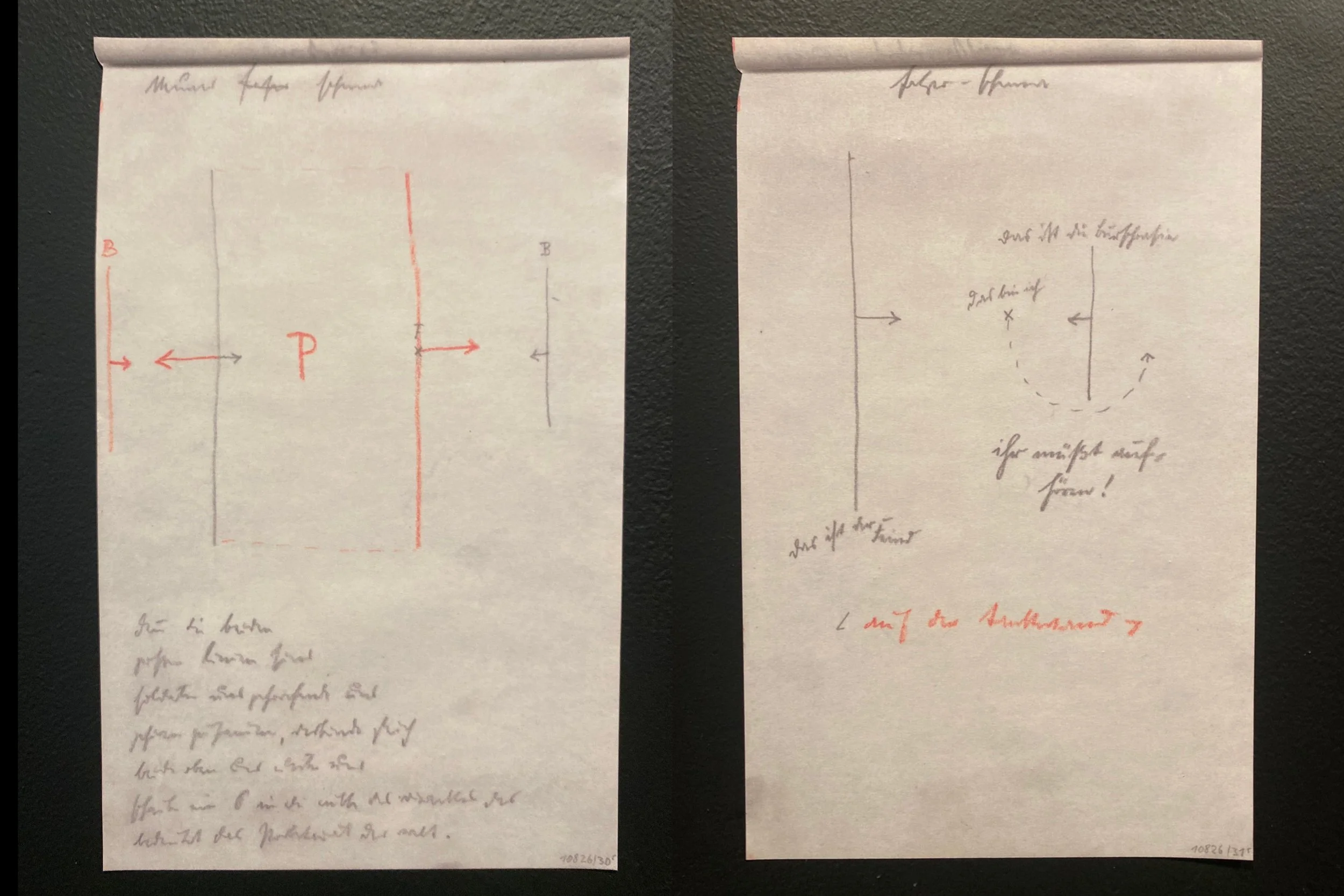
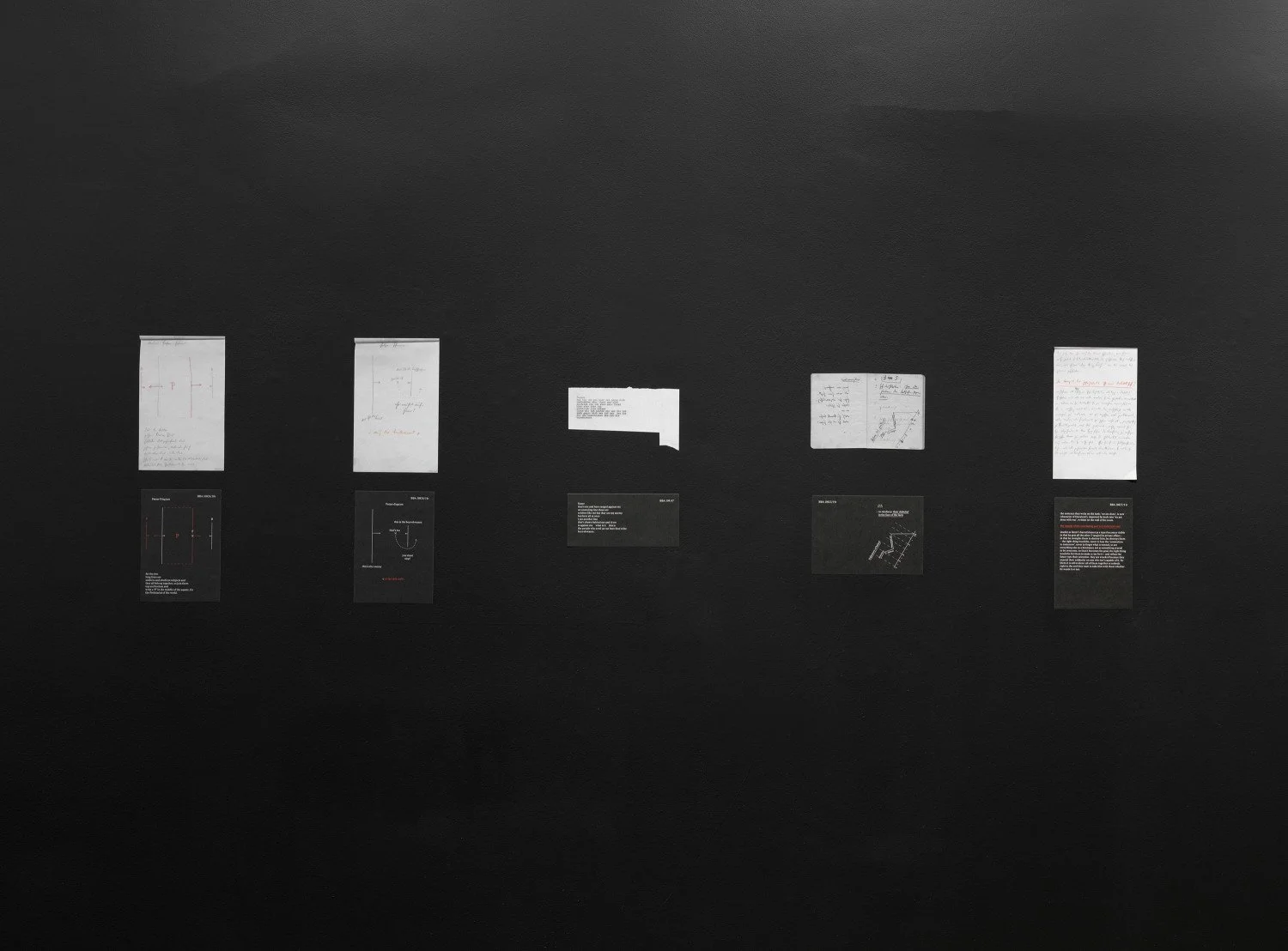

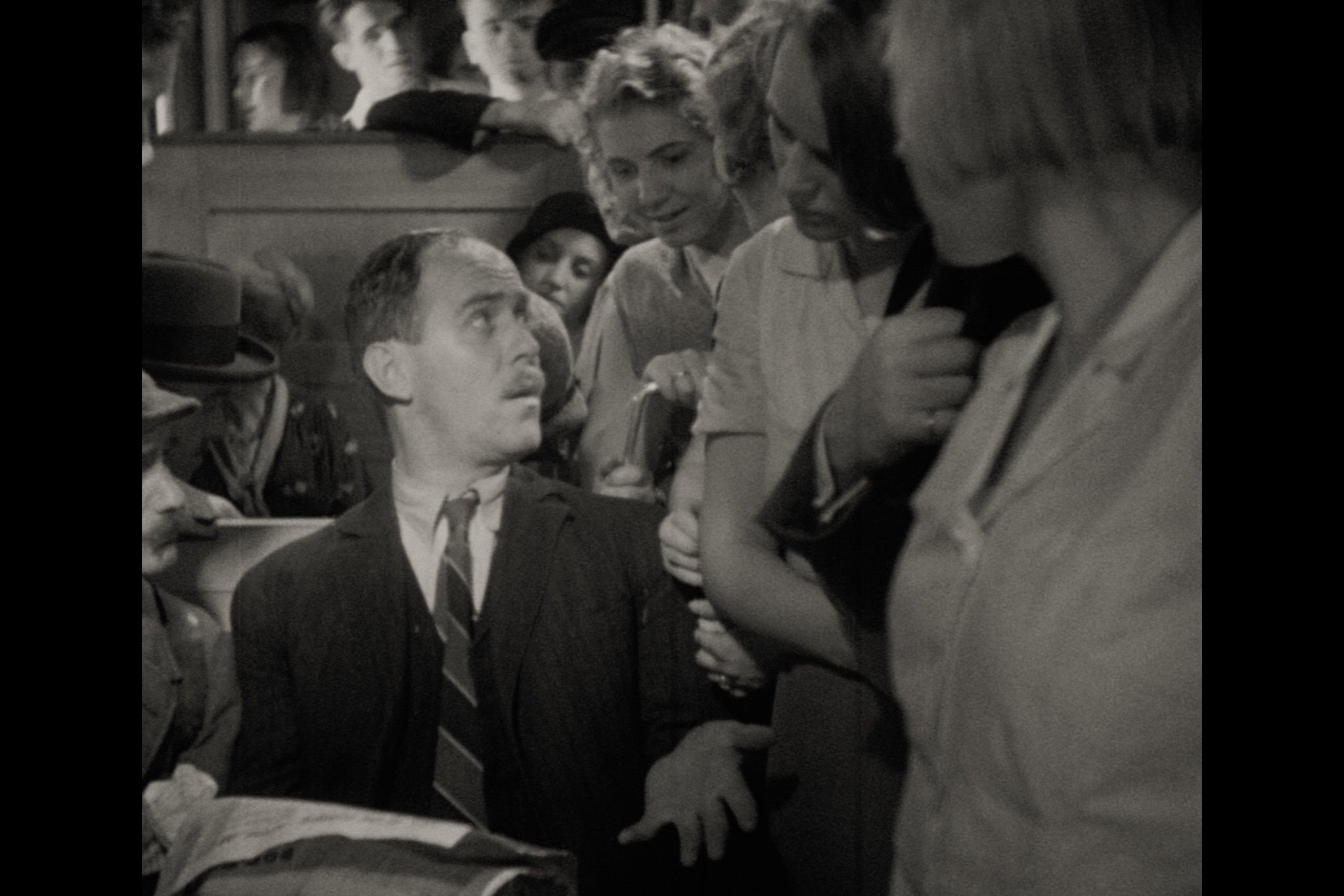
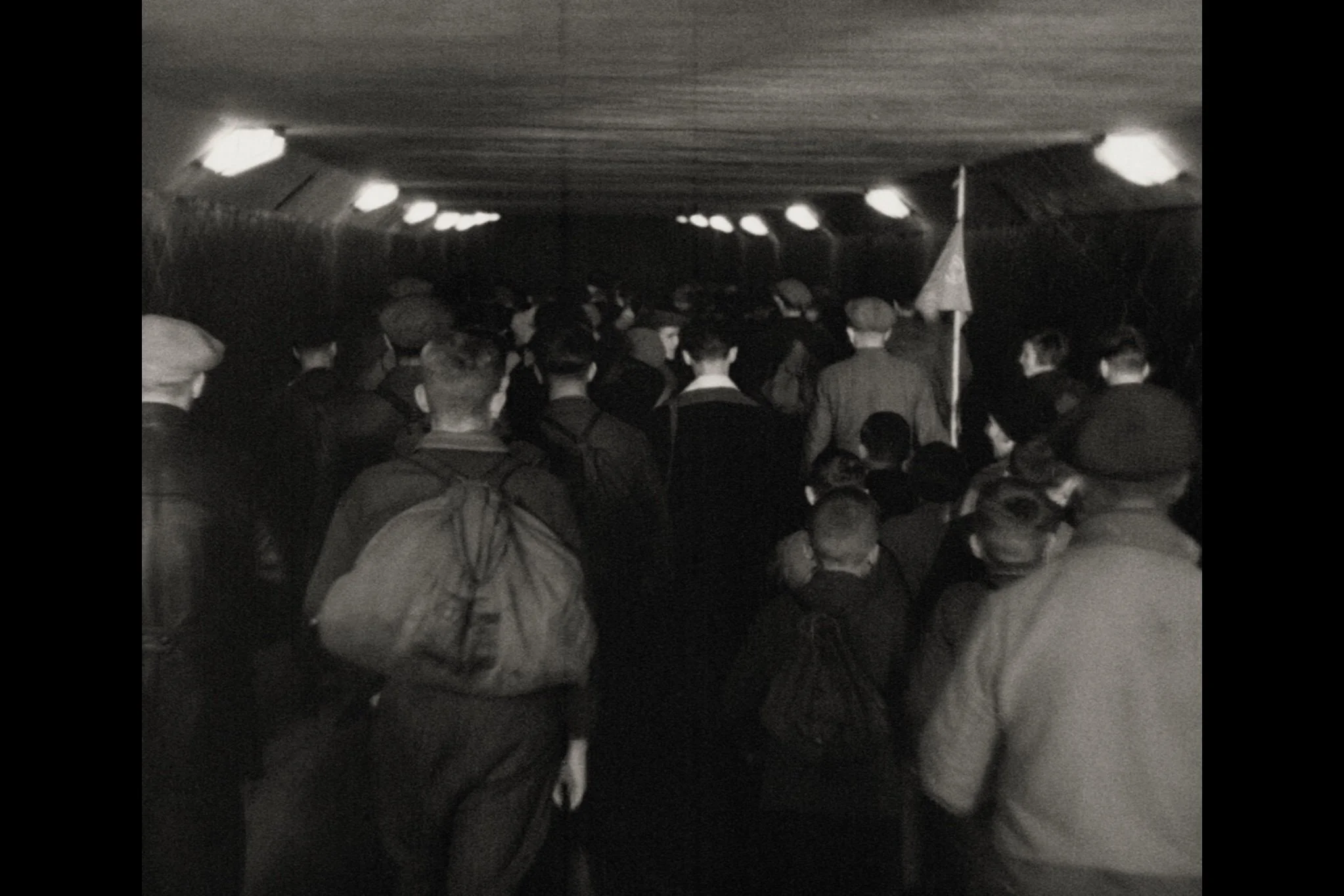

brecht: fragments, Raven Row, London
15 June to 28 August 2024
Curated by
Phoebe von Held, in collaboration with Tom Kuhn, Alex Sainsbury, and Iliane Thiemann from the Bertolt Brecht Archive at the Akademie der Künste, Berlin. With great thanks to the Akademie der Künste for their support in the development of this exhibition.
Produced by Raven Row
Alex Sainsbury (Director), Lucy Biddle (Communications & Publications Manager), Toby Boundy (Head Technician), Chloe Page (Digital Manager & Communications Coordinator), Rachael Harlow, Oliver Williams, and Phoebe Cripps (Exhibitions Organisers).
Graphic Design
John Morgan and Adrien Vasquez, John Morgan studio
Display Furniture Design
Jones Neville
Performance credits:
Creative team
Phoebe von Held (Director, Set Designer, Adaptor of performance script), Uri Agnon (Composer, Musical Director), lambdog1066 (Costume Designer), John Morgan and Adrien Vasquez, John Morgan studio (Set Graphic Design), Henrik Adler (Dramaturgical Script Consultant), Alice Walters (Casting Director), Fani Arampatzidou (Assistant Director, Actor’s Coach), Karl Chaundy (Set Design Associate, Props), Fran Heap (Costume Assistant), Elaine Hua Jones (Assistant Musical Director), Company Stage Manager (Aime Neeme), Molly Hands, Yasmin Siddqa Amin, Amina Jama (Stage Managers), Dana Munro (Videographer)
Cast
Efé Agwele, Osa Audu, Lucas Albion, Adam Colborne, Antonia Ganeva, Louis Goodwin, Heather Gourdie, Elaine Hua Jones, Seth Kruger, Alice Mayer, Conrad Williamson, Vankshita Mishra (understudy)
Dramatic fragments by Bertolt Brecht included in the performances:
Der Brotladen [The Breadshop], 1929-30, translated by Marc Silberman and Victoria Hill, under the title The Breadstore.
Fatzer, (1926-30), translated by Tom Kuhn.
Fleischhacker (1924-31), translated by Phoebe von Held and Matthias Rothe.
Die Sintflut [The Flood] (1926-27), translated by Phoebe von Held and Lizzie Stewart.
All play fragments, except The Flood, were published in more complete versions in Brecht and the Writer’s Workshop, ed. Tom Kuhn and Charlotte Ryland (London: Bloomsbury, Methuen, 2019)
Special thanks to:
Henrik Adler, Stephanie Burrell, David Gothard, Giles Havergal, Sophie Jump, Ellie Keel, Tom Kuhn, Lizzie Stewart, Iliane Thiemann, Erdmut Wizisla; cast and creatives of the 2019 Fleischhacker R&D; contributors and participants of the 2020-22 Brecht workshops; Arts Council England; Guest Projects; the Bertolt Brecht Archive at the Akademie der Künste, Berlin, Particular thanks to the Bertolt Brecht Estate.
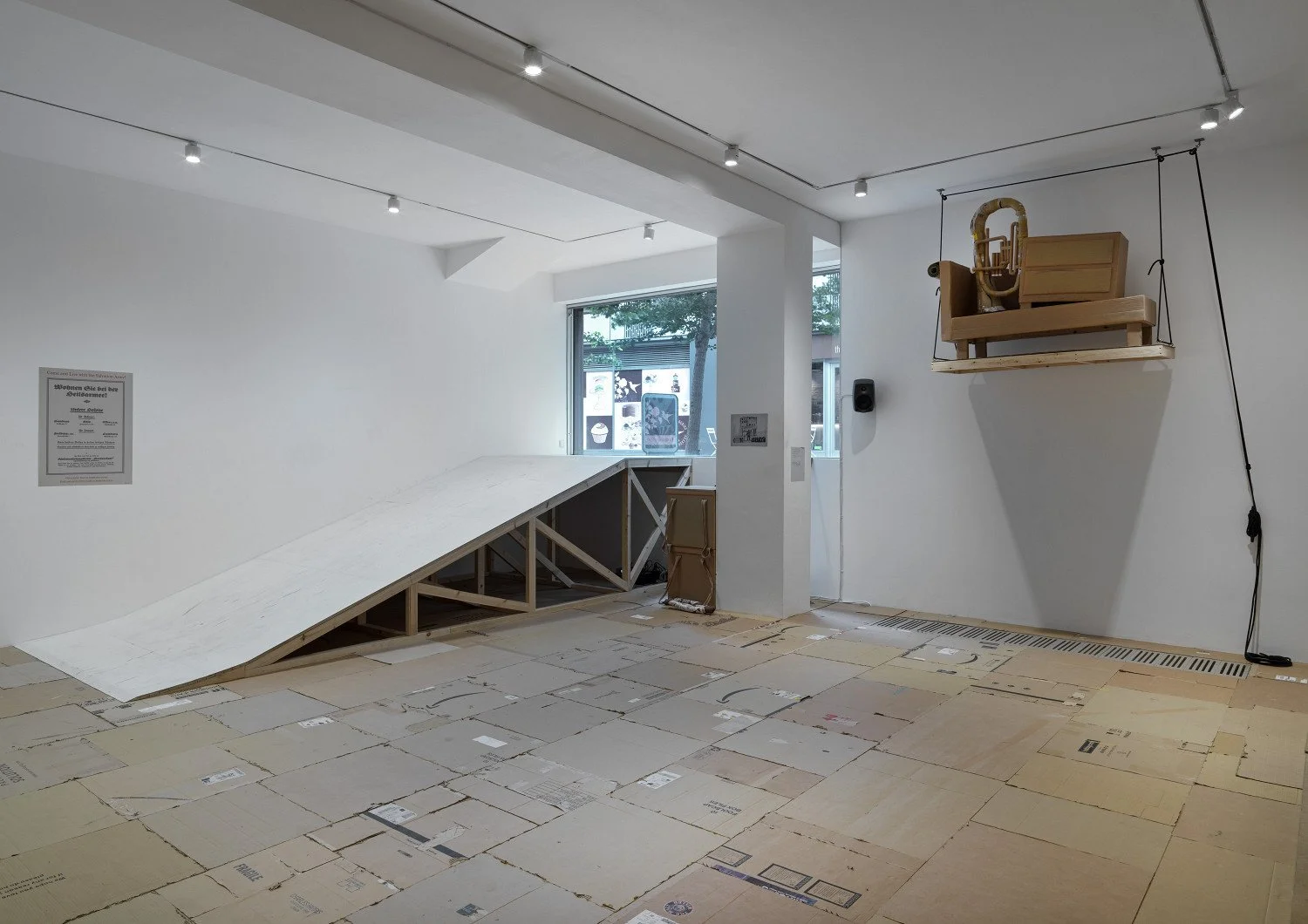
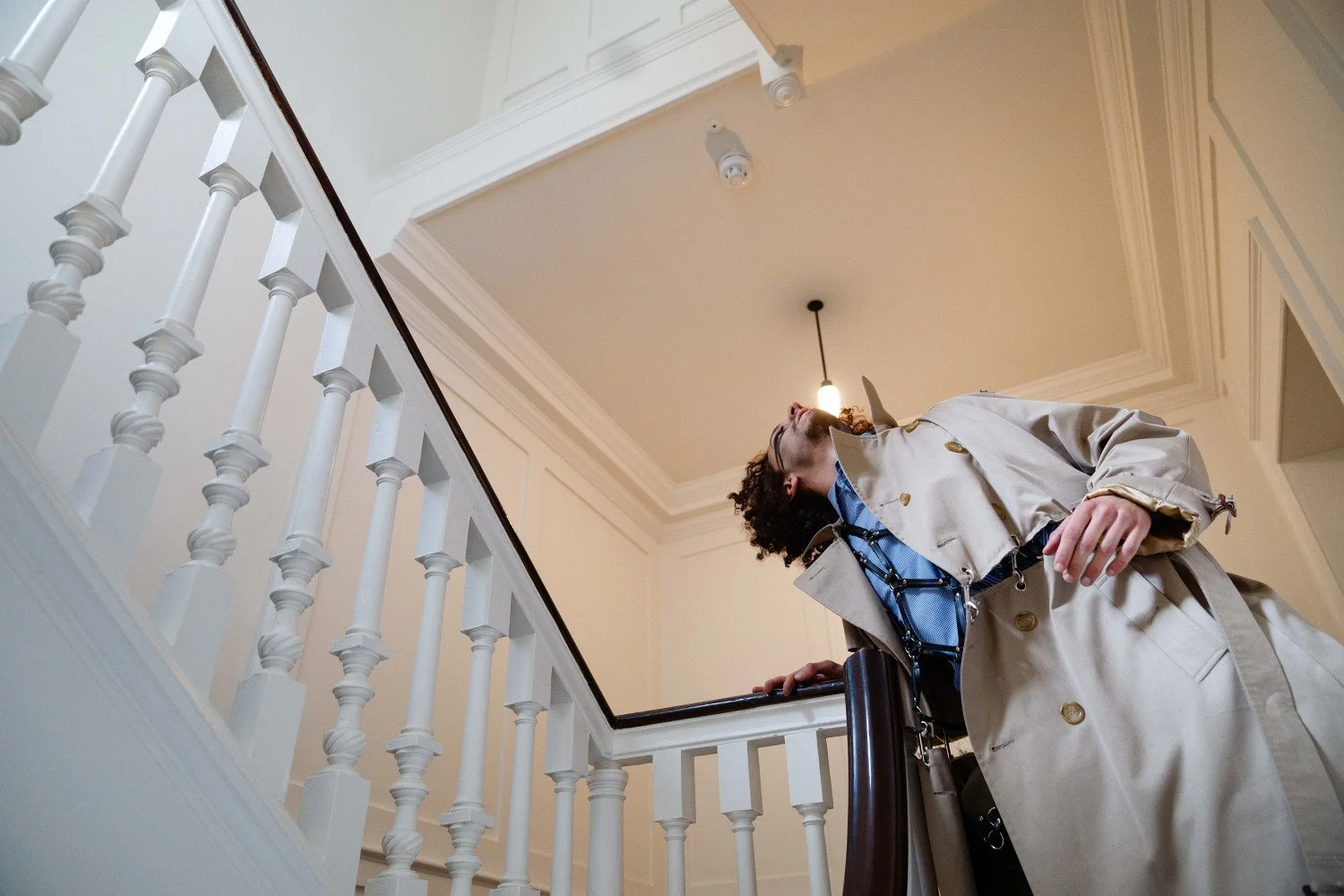
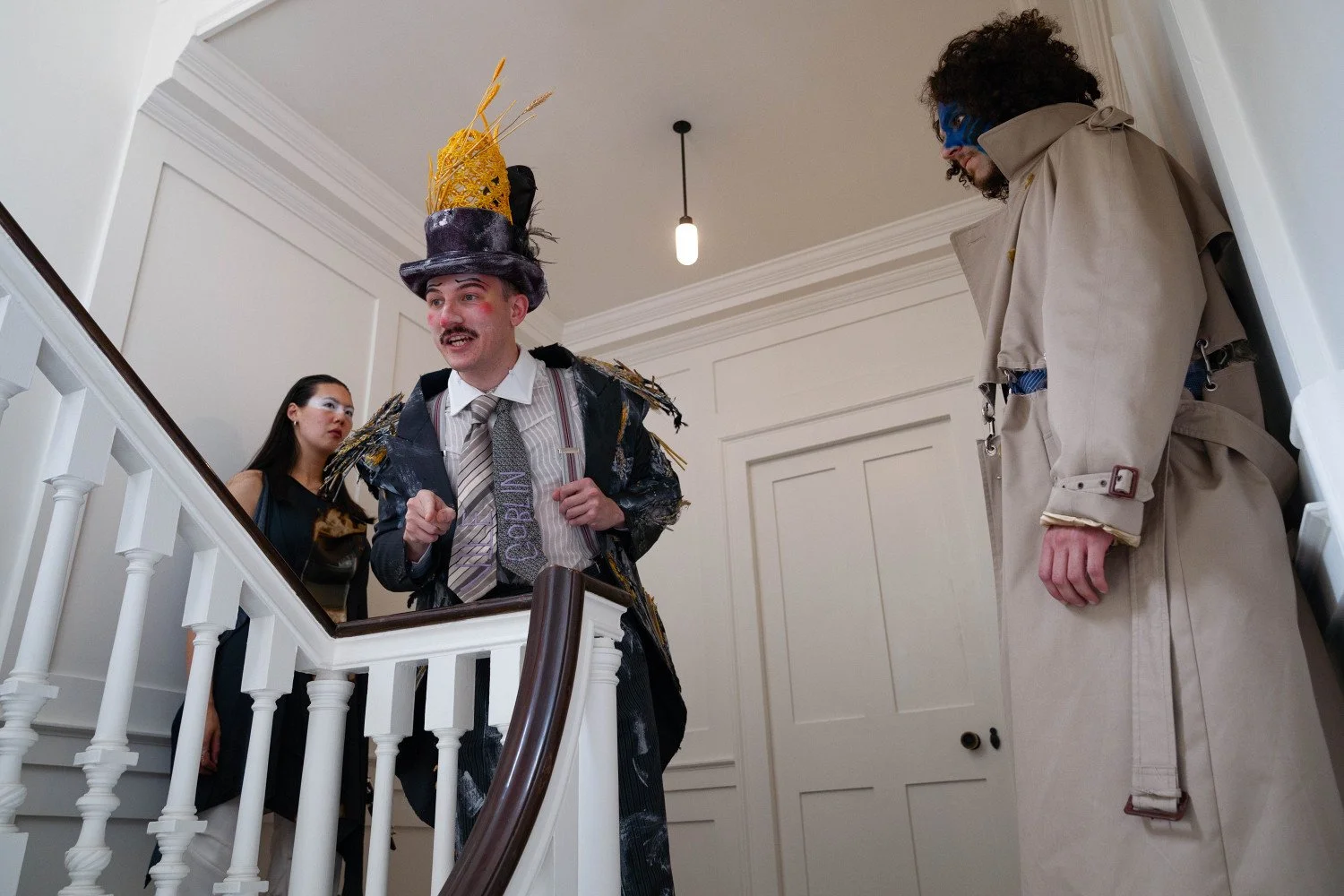
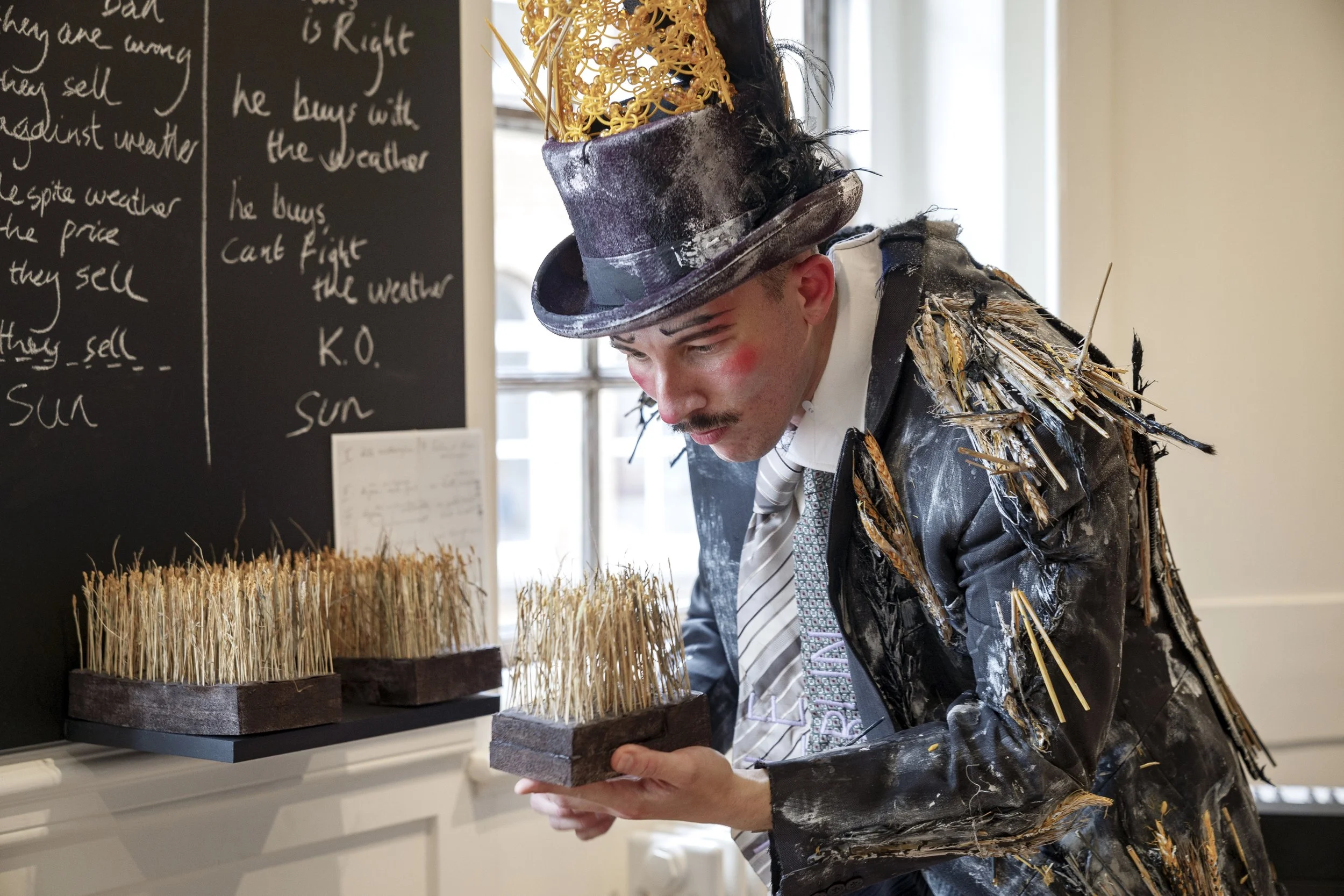
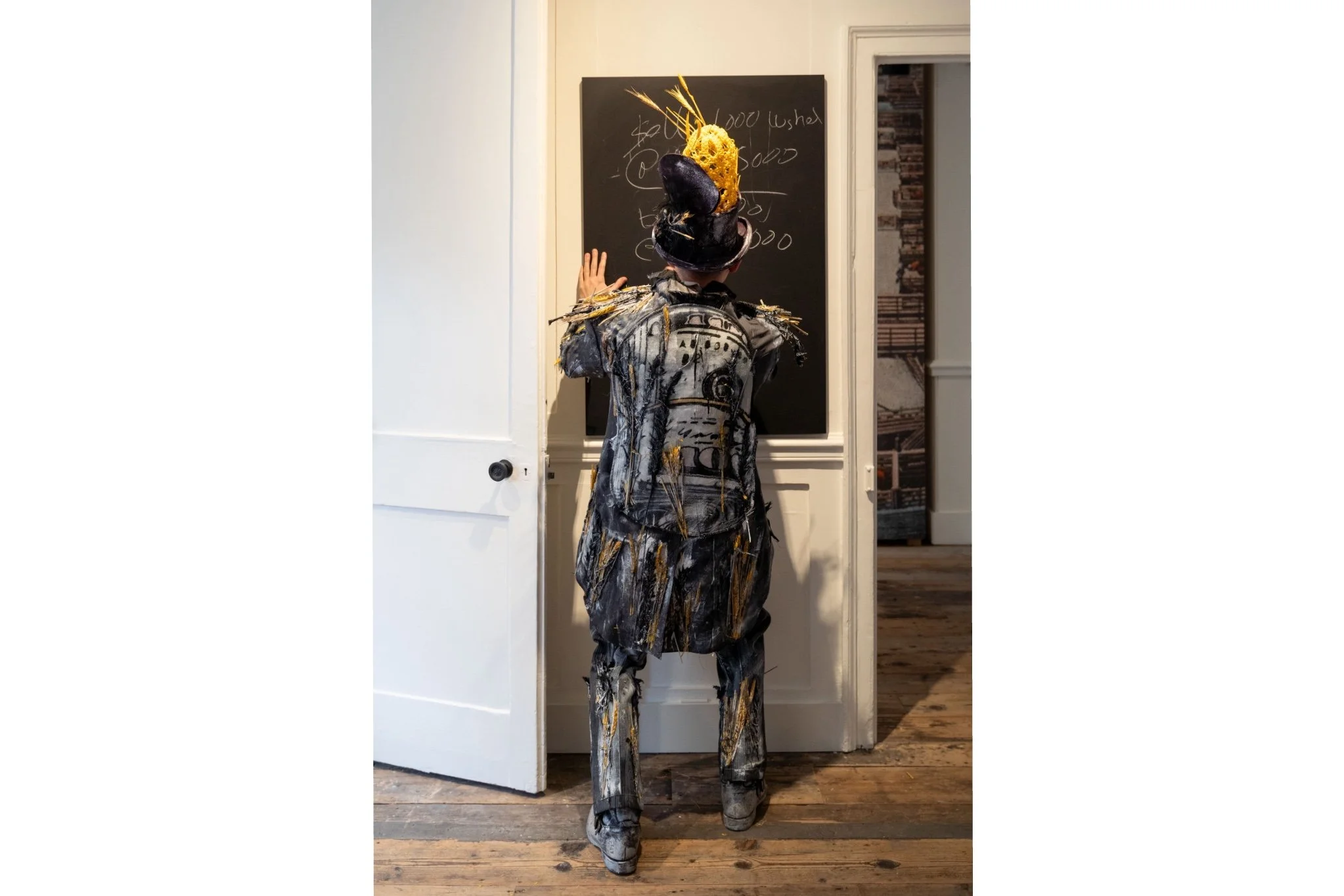
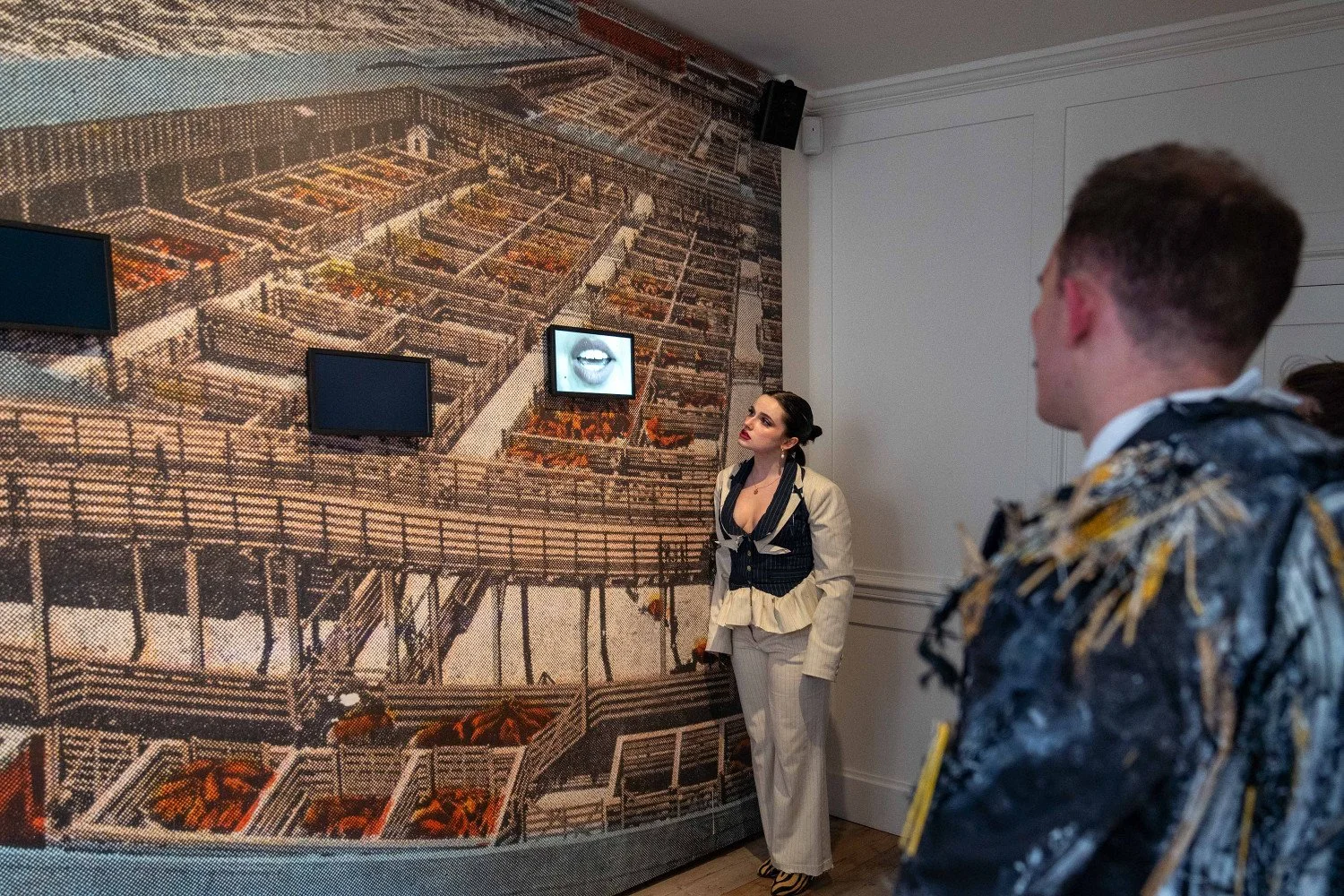
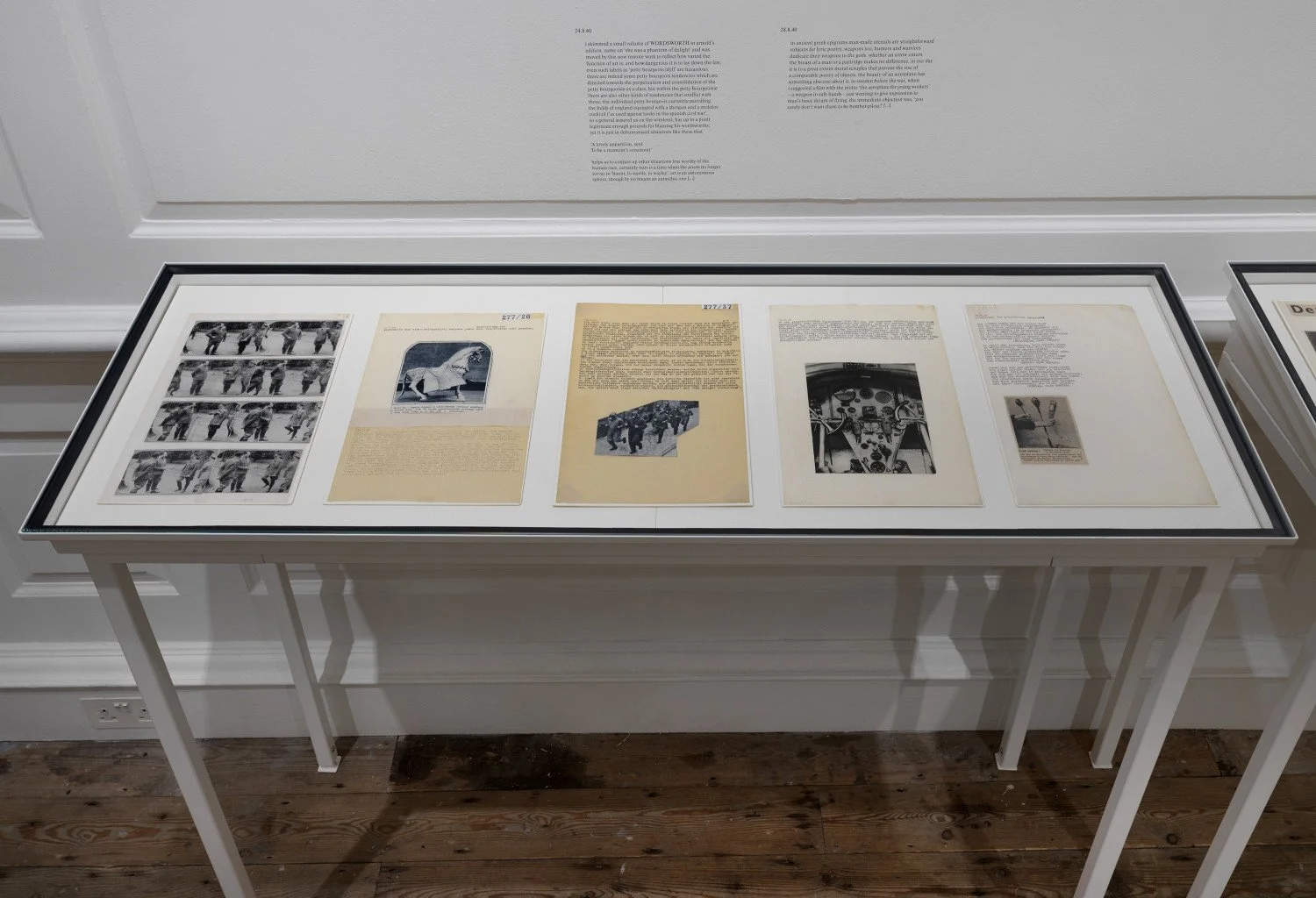
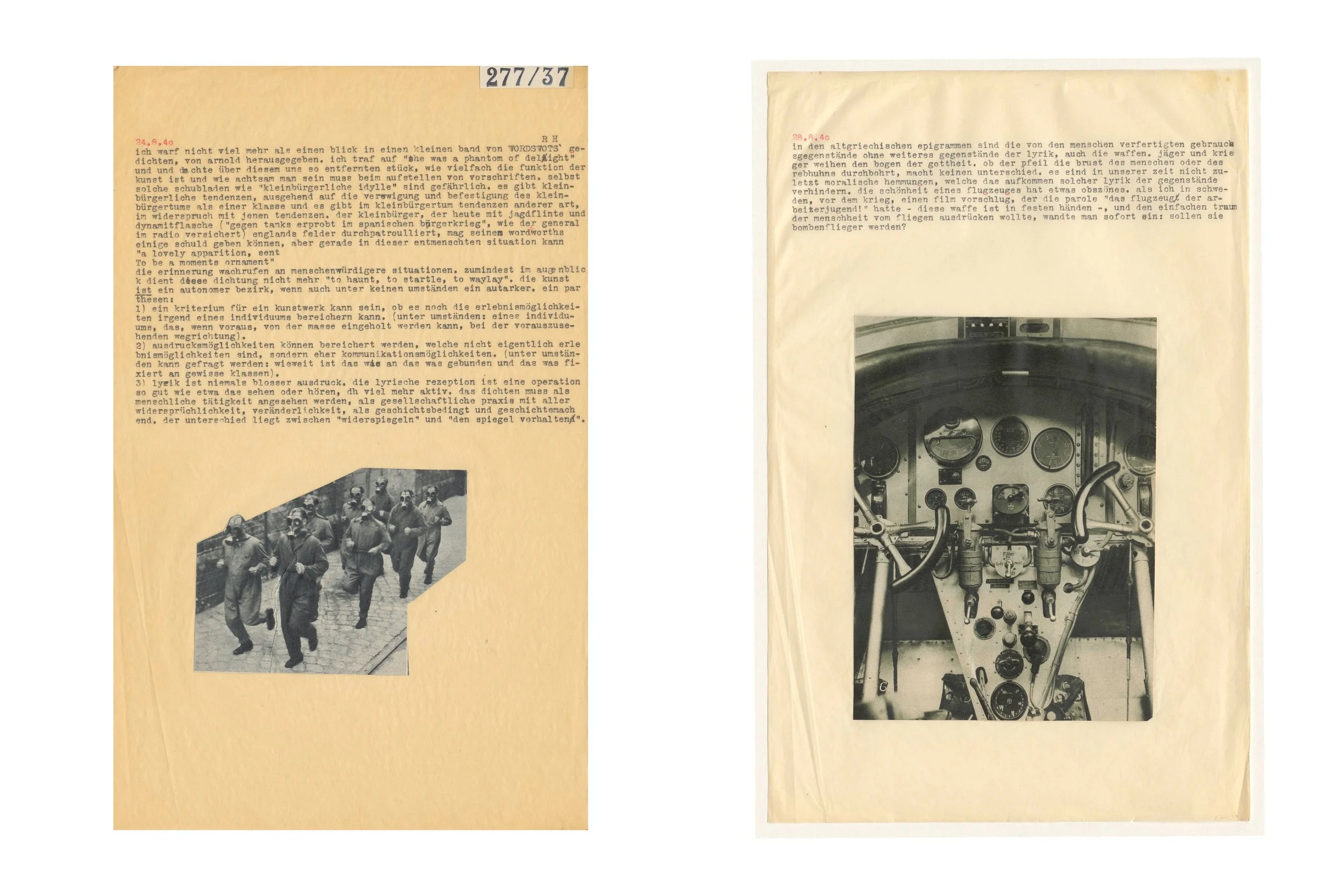
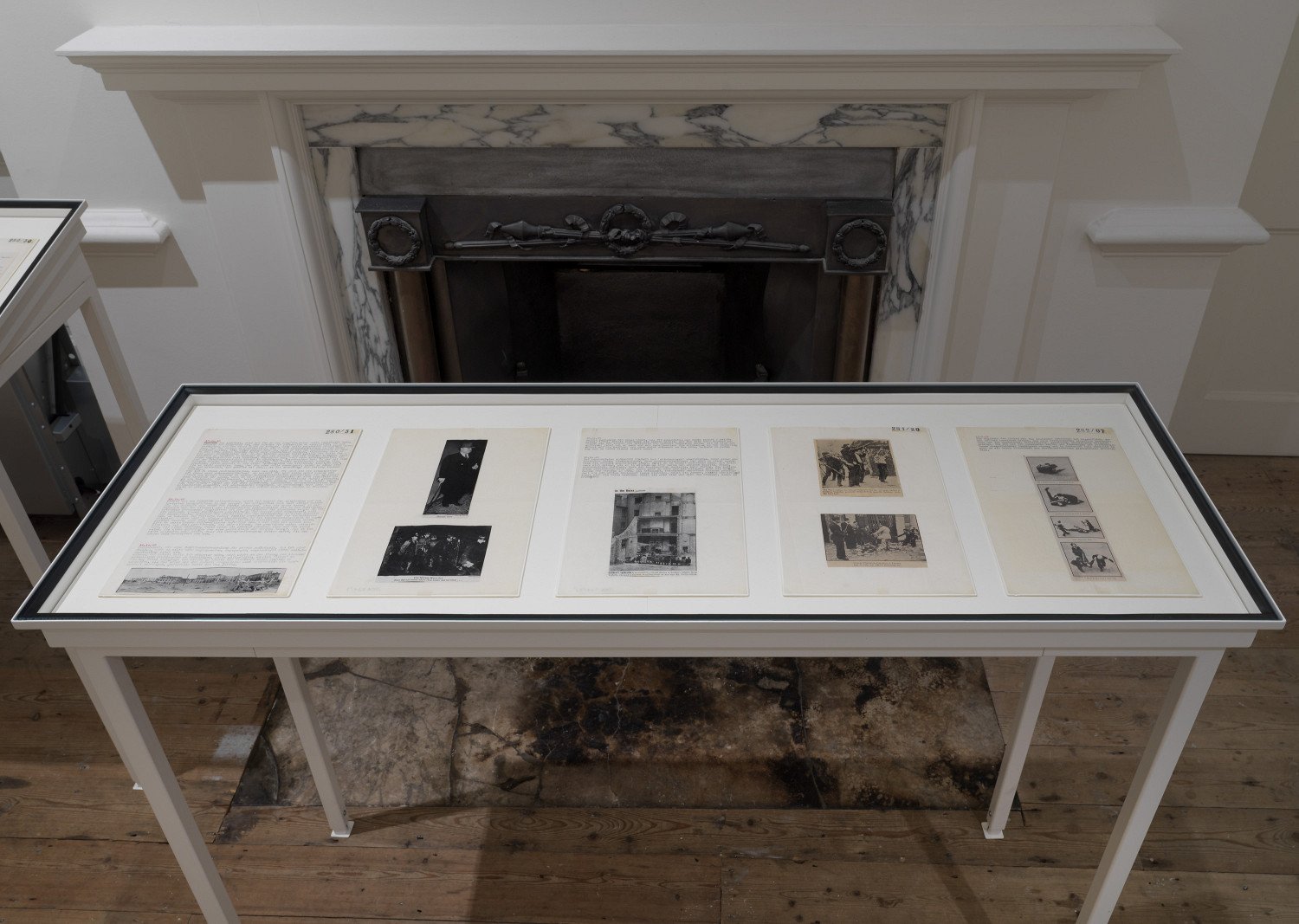
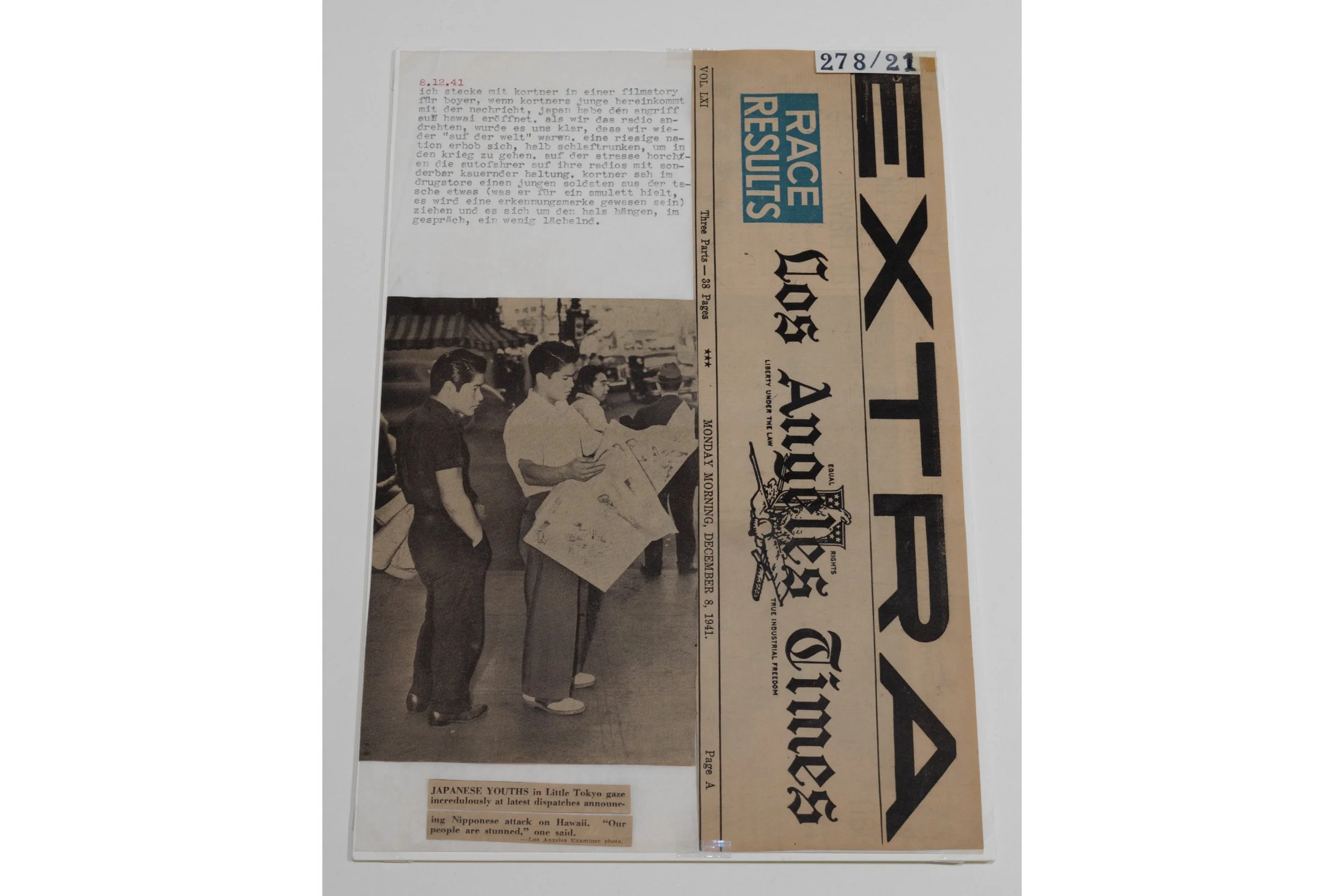
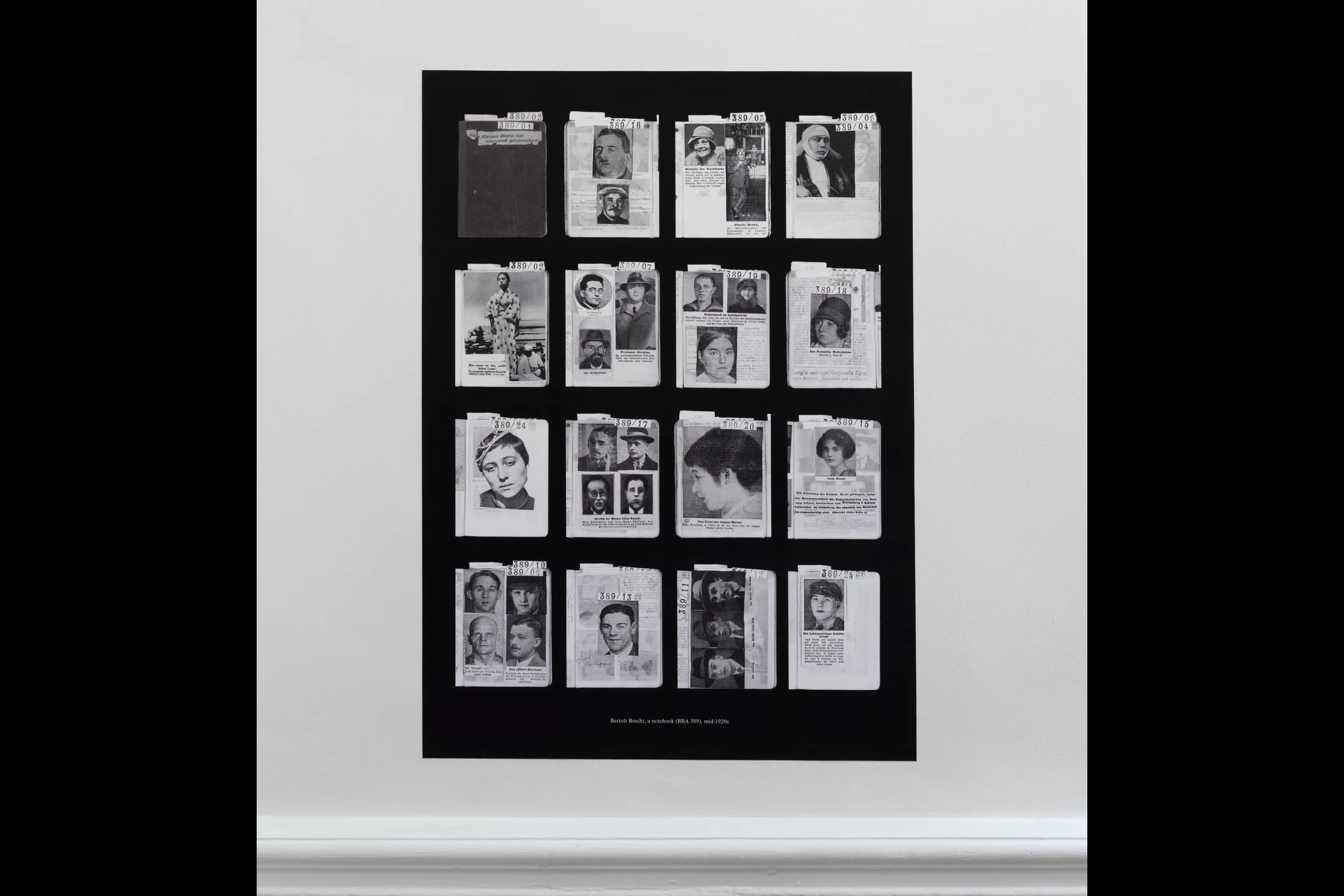
BRECHT: FRAGMENTS took place at Raven Row, London, from 15 June to 18 August 2024. It was the first exhibition to address the trans-disciplinary collagist project of legendary playwright, poet and theorist Bertolt Brecht (1889-1956), featuring original visual material from the Bertolt Brecht Archive in Berlin, most of it never-before exhibited, alongside a performance montage of scenes assembled from Brecht’s early experimental dramatic fragments.
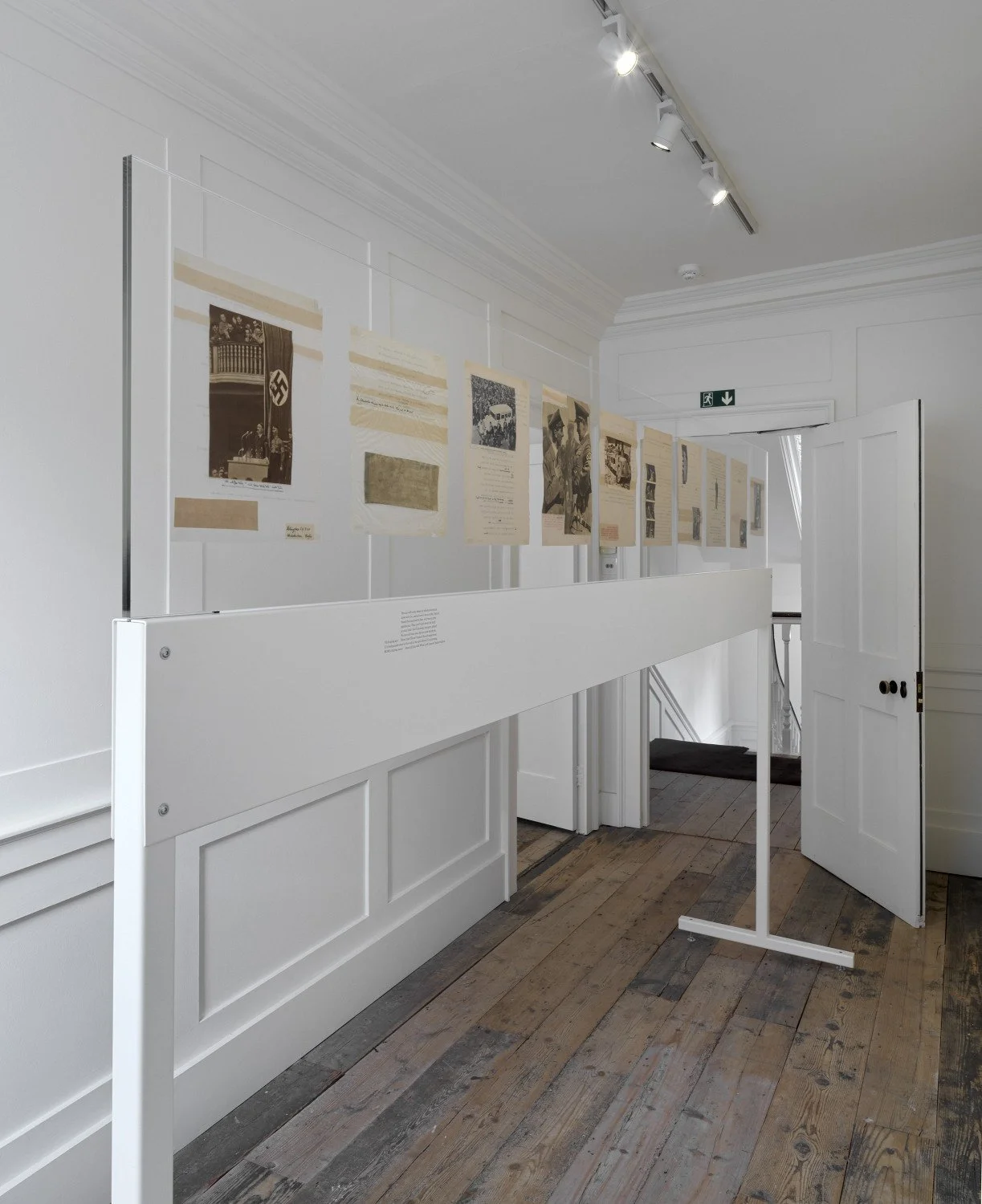
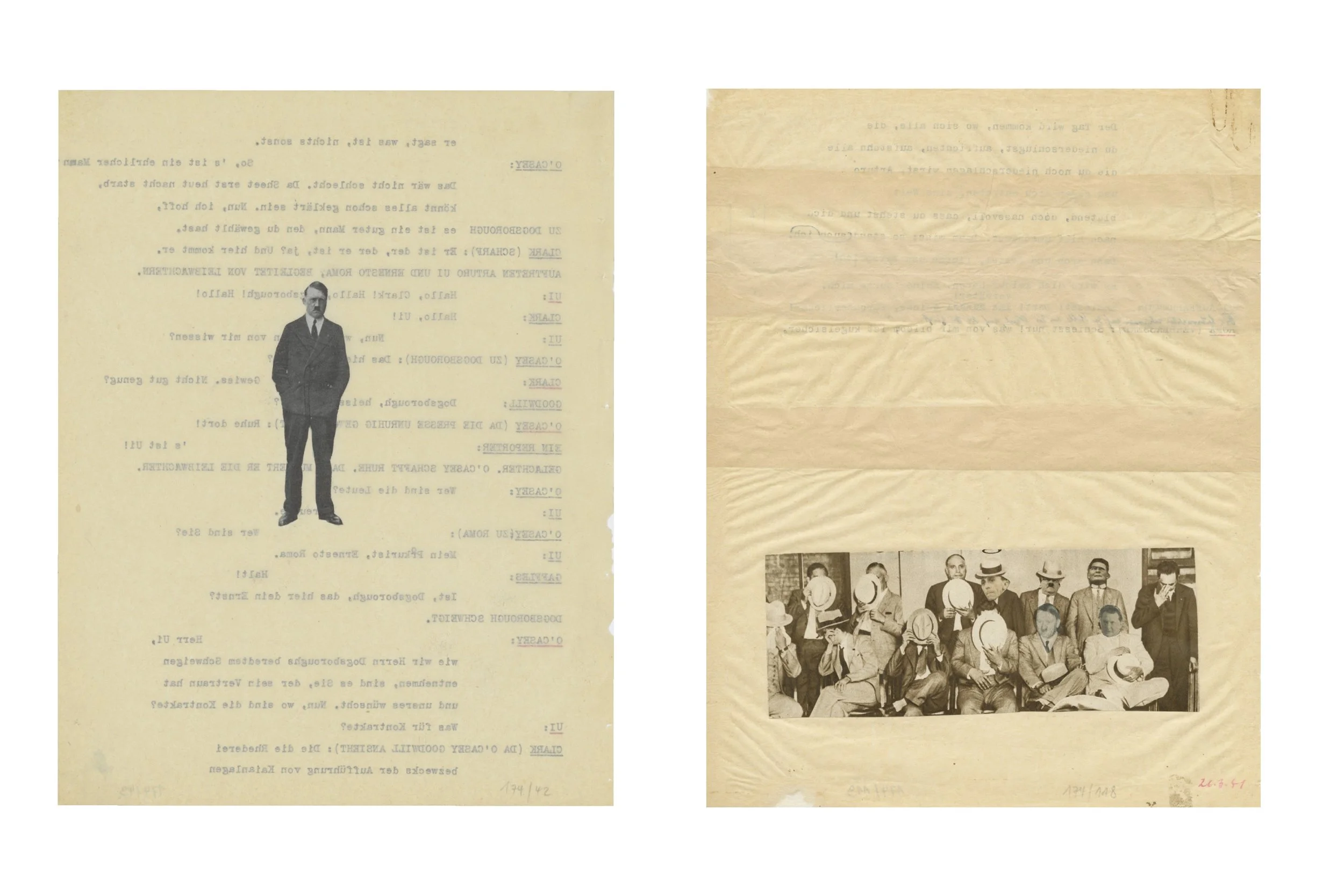
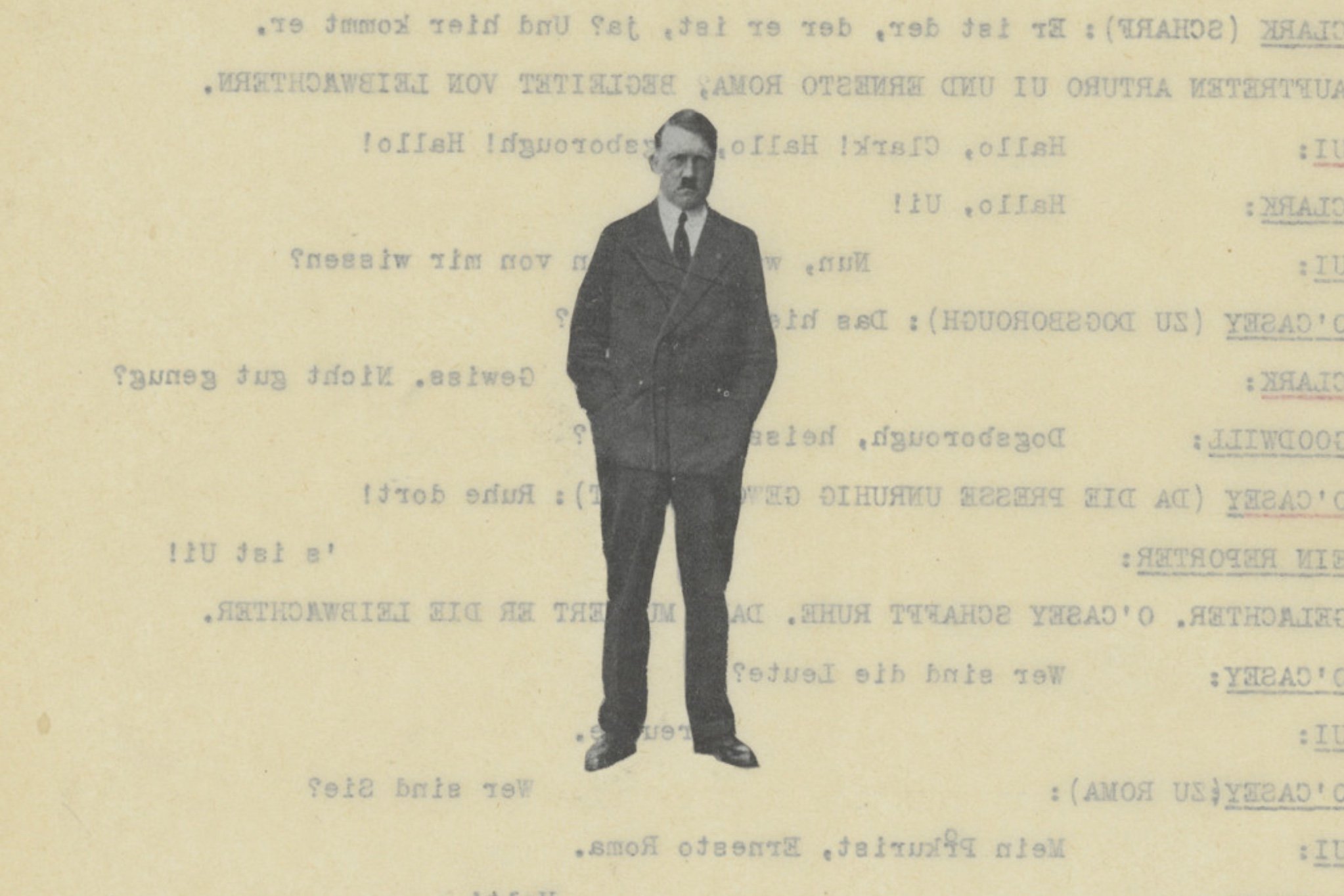
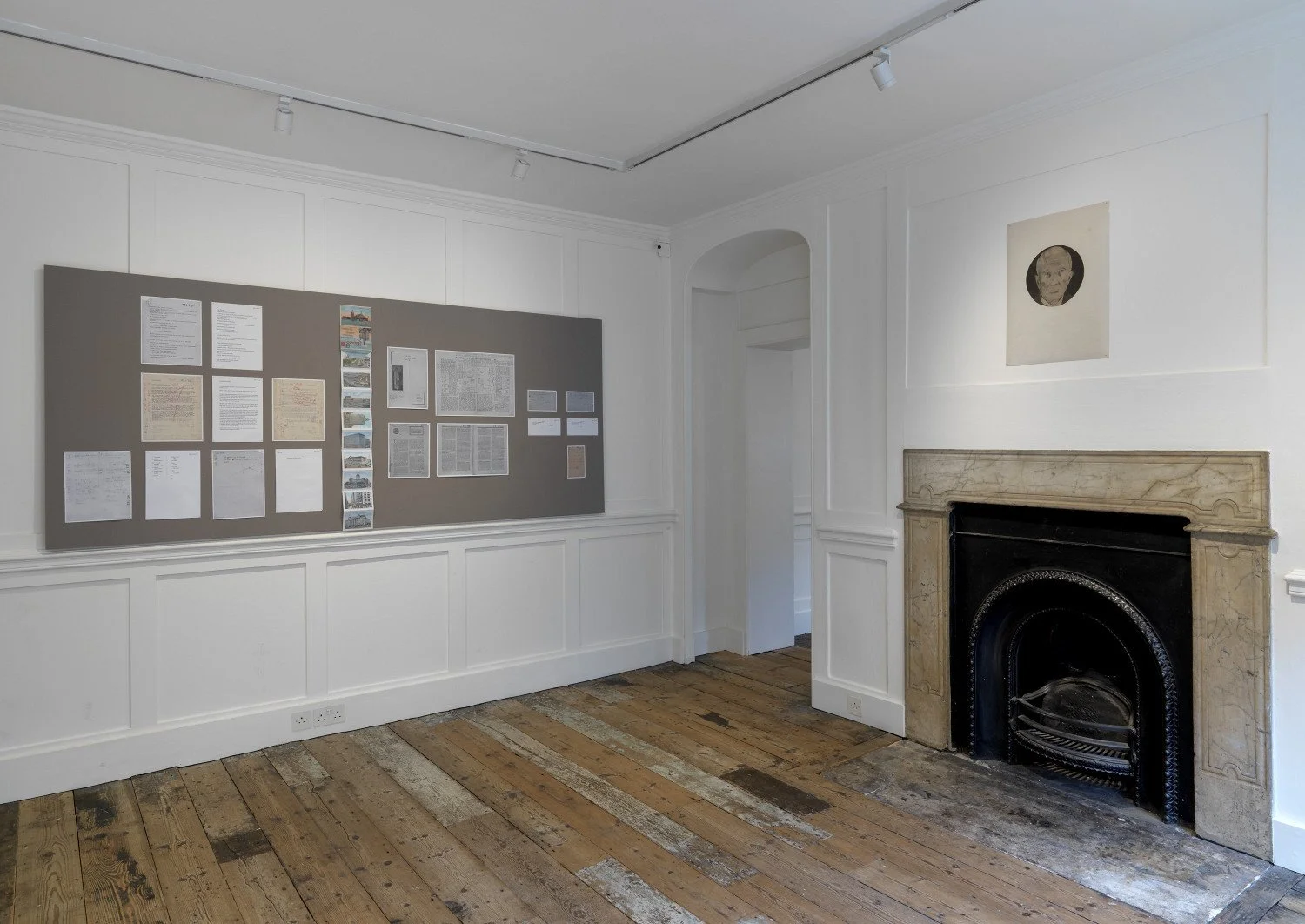
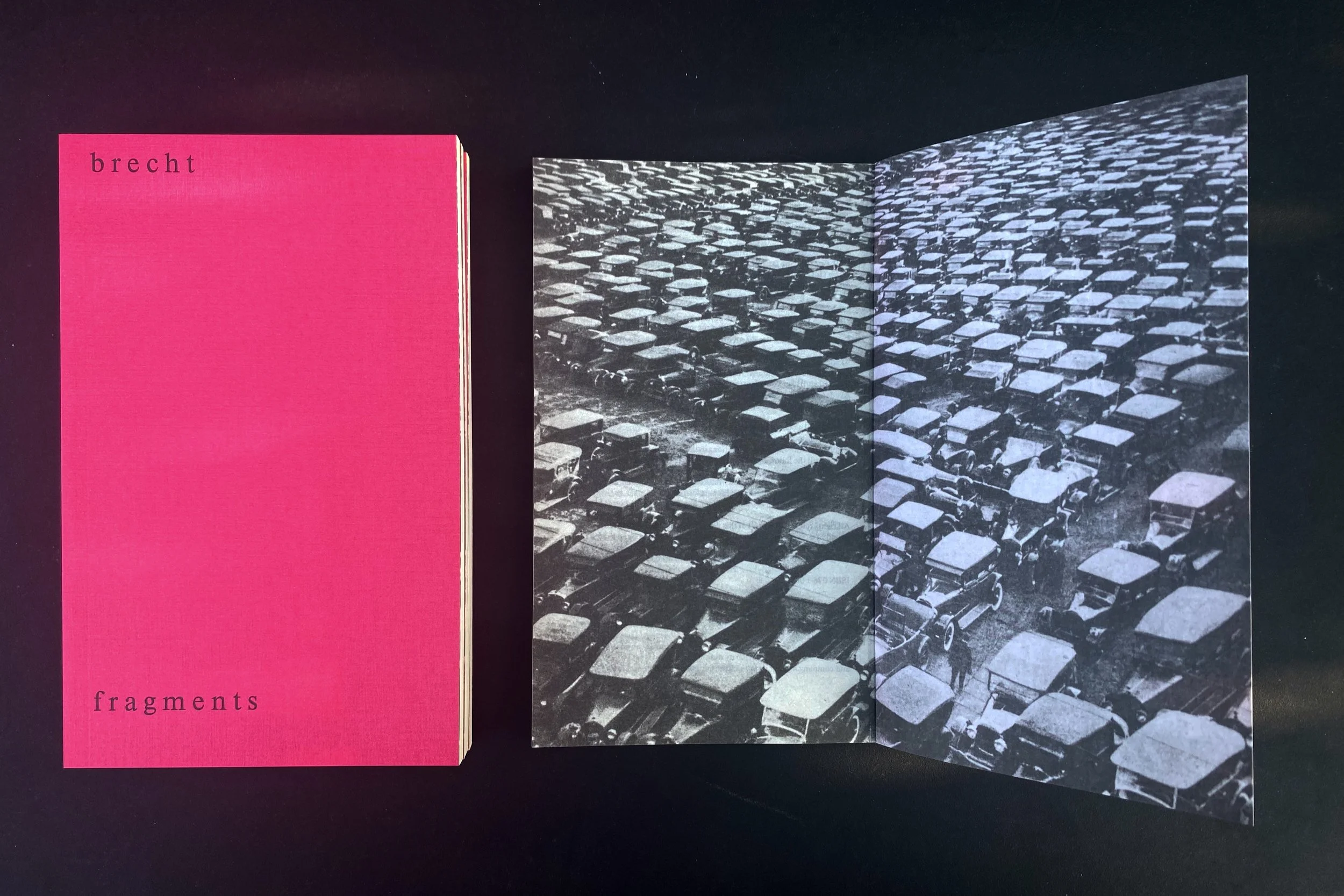
Throughout his working life, Brecht cut out and organised visual material from sources ranging from newspapers and magazines to labels and packaging. He accumulated images to inform his theatre, from medieval paintings and Chinese theatre to contemporary clothing and industrial production, and also recorded social and political events and their protagonists – politicians, soldiers, workers and people on the street – in a collage project that played out across notebooks, journals and manuscripts. Similarly, Brecht’s dramatic works were constructed in fragments of text, cut out and reorganised as montages on large sheets of paper. Alongside a selection of these, the exhibition features a number of original photo-montage works produced by Brecht during his exile years when his engagement with the visual culminated. These chronicle the rise of fascism and the devastation of the Second World War. With the exception of War Primer, Brecht’s image-text essay about global war under capitalism, most of this material remains little-known.
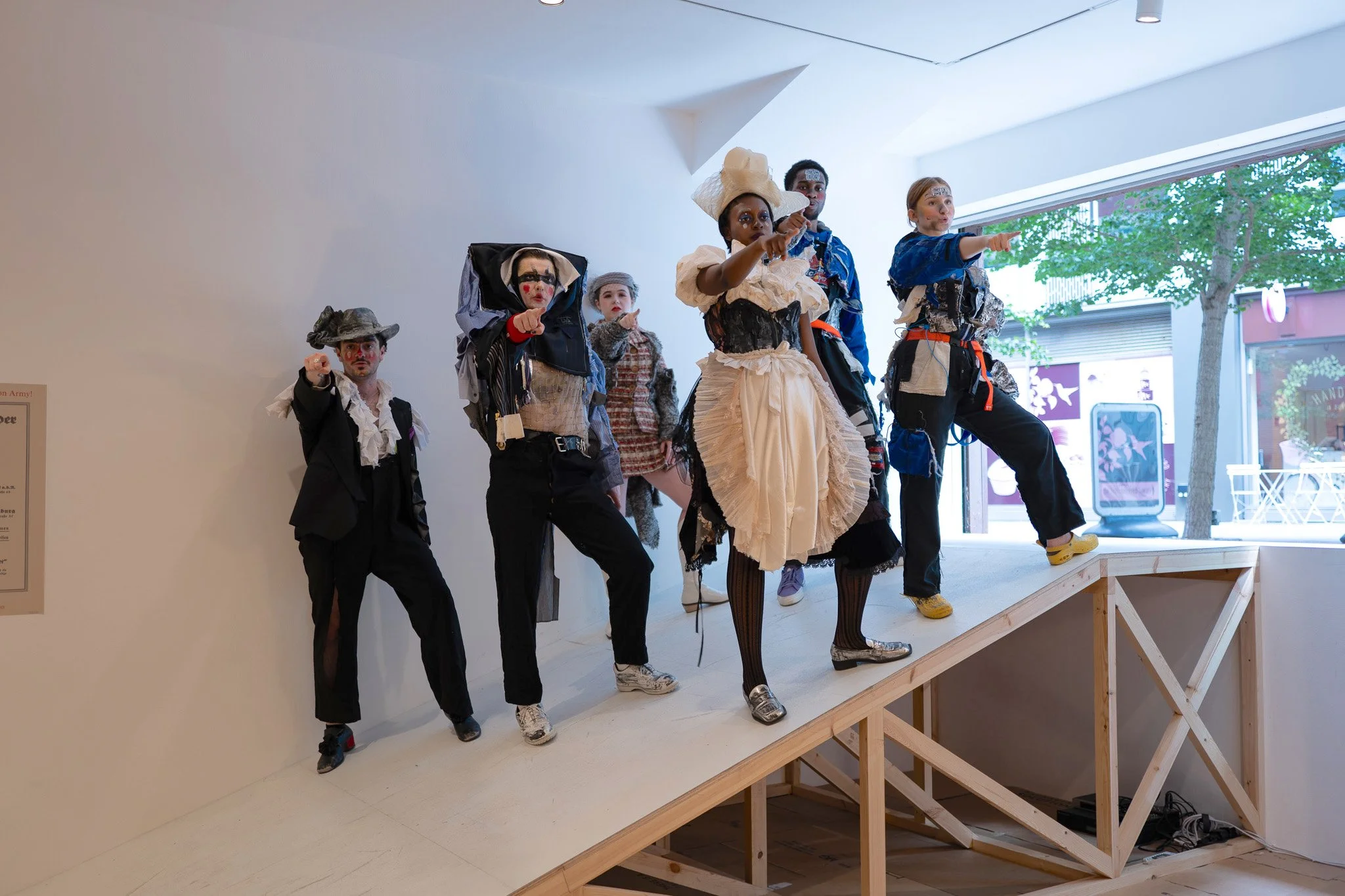
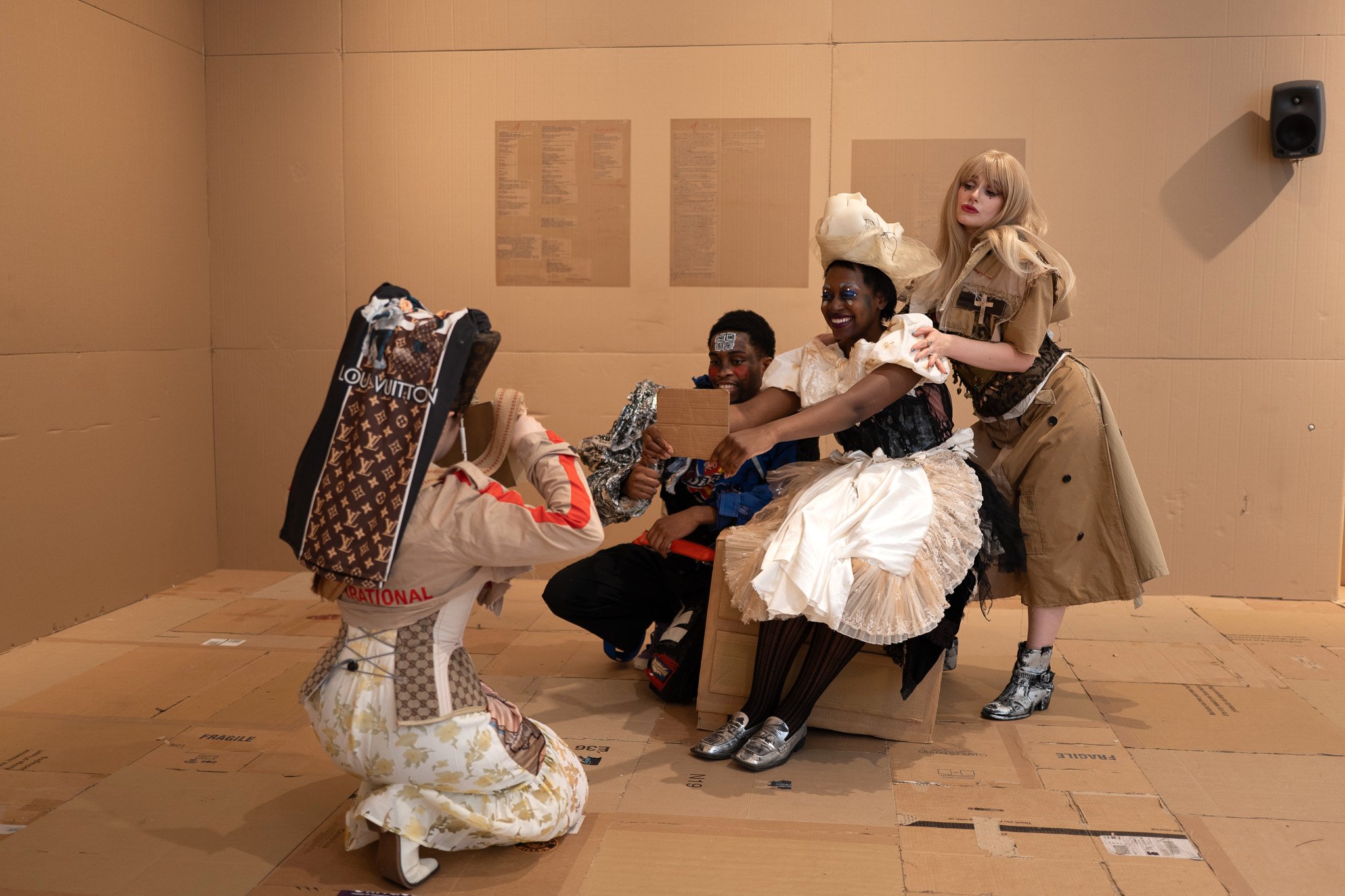
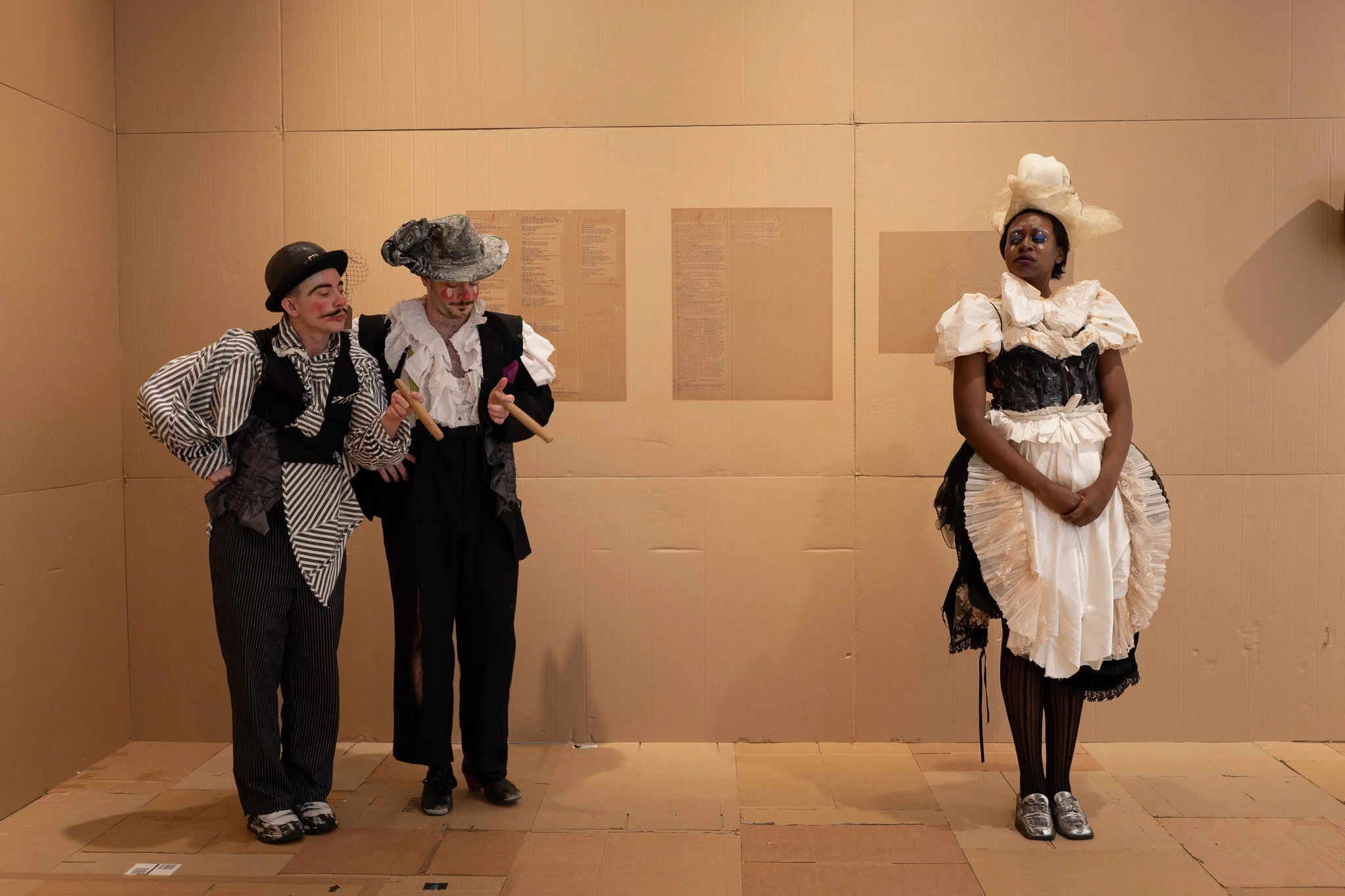
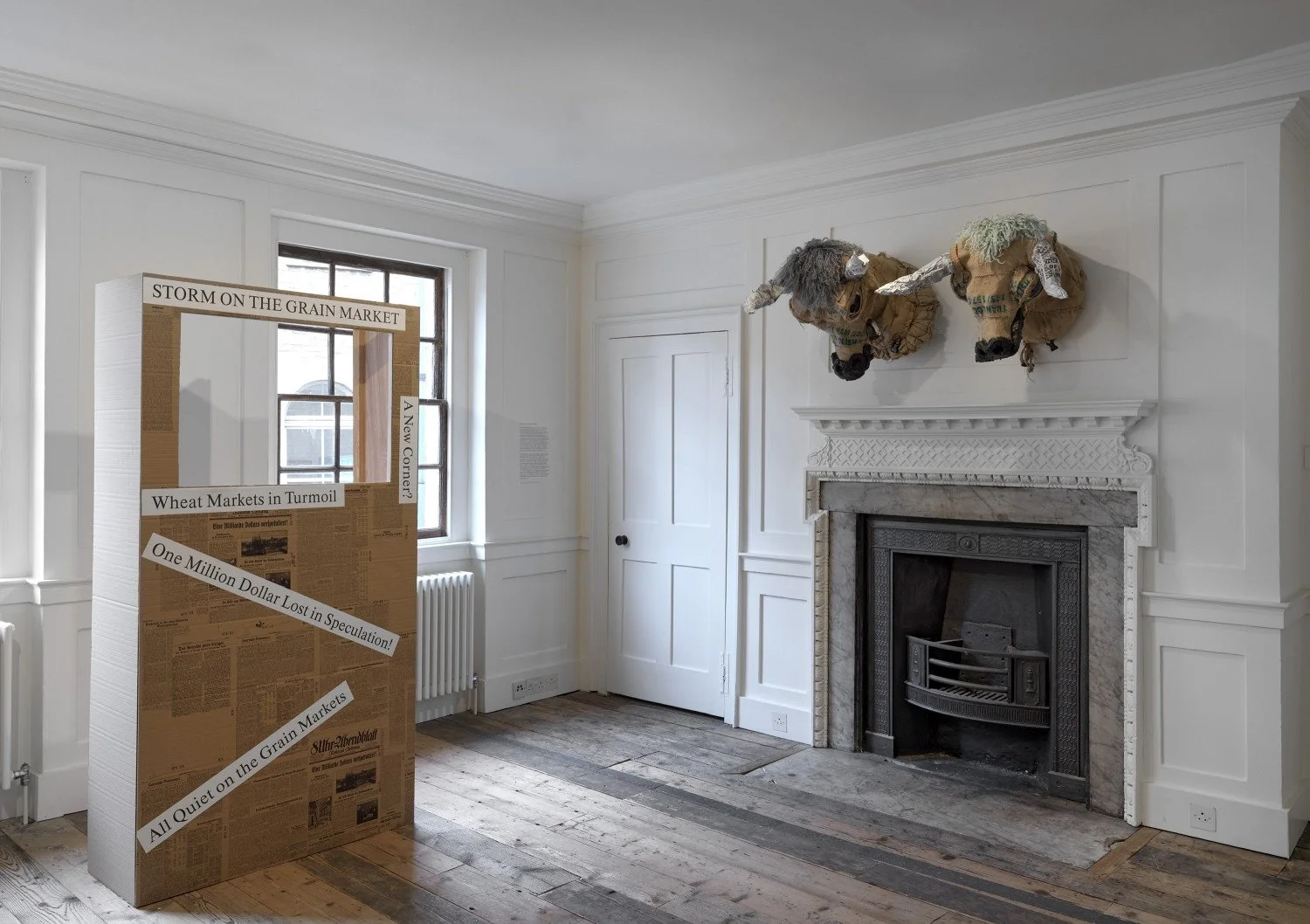
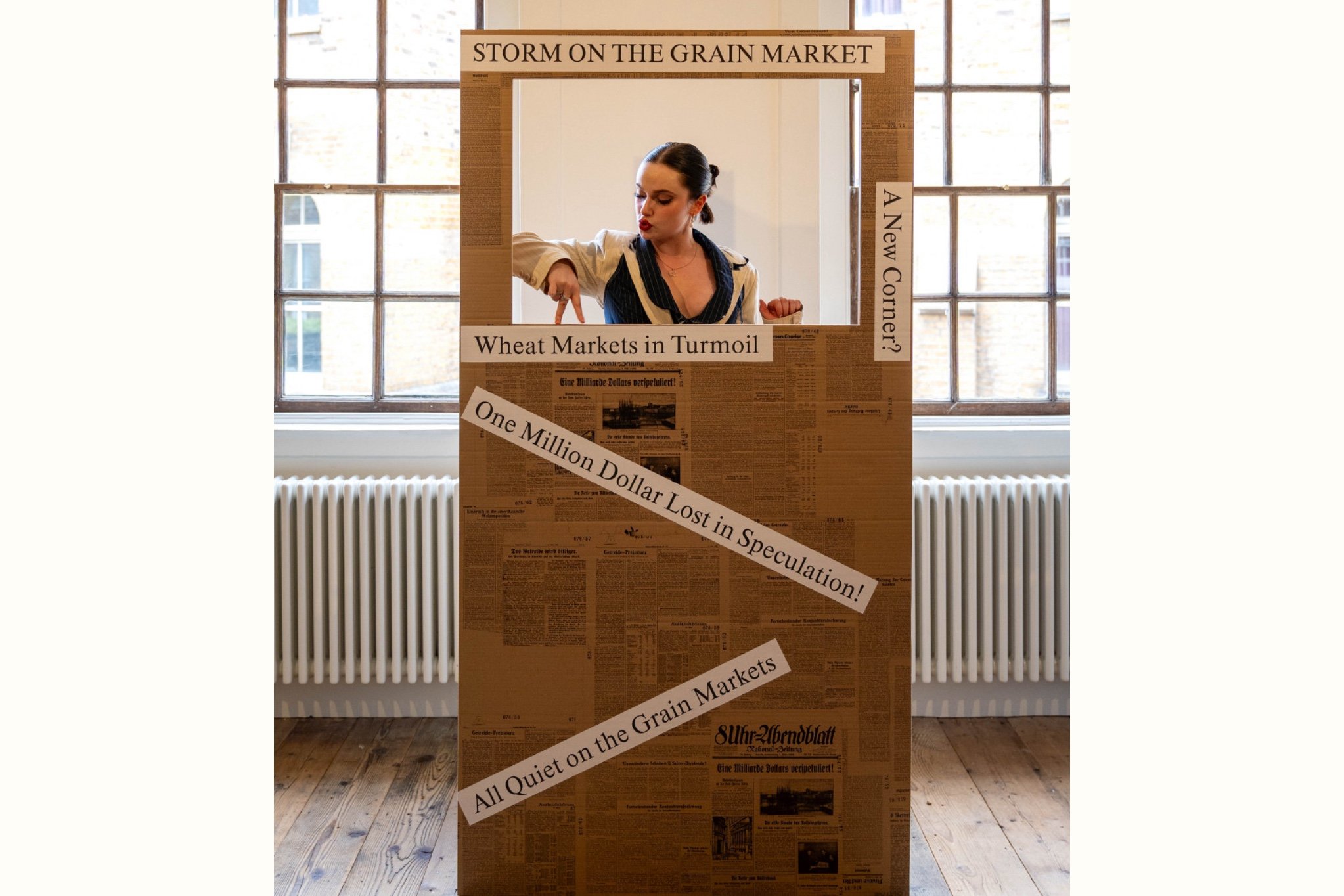
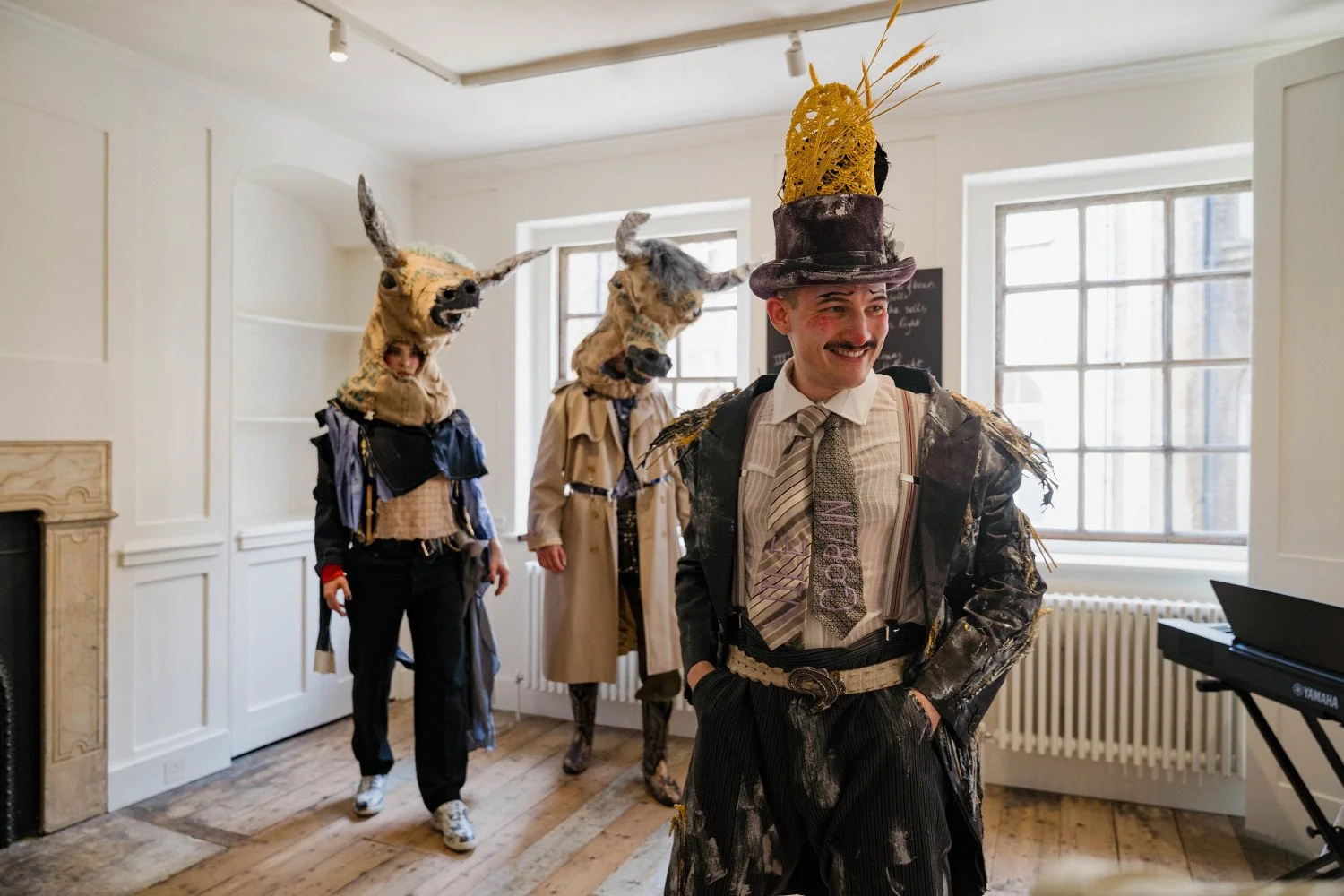
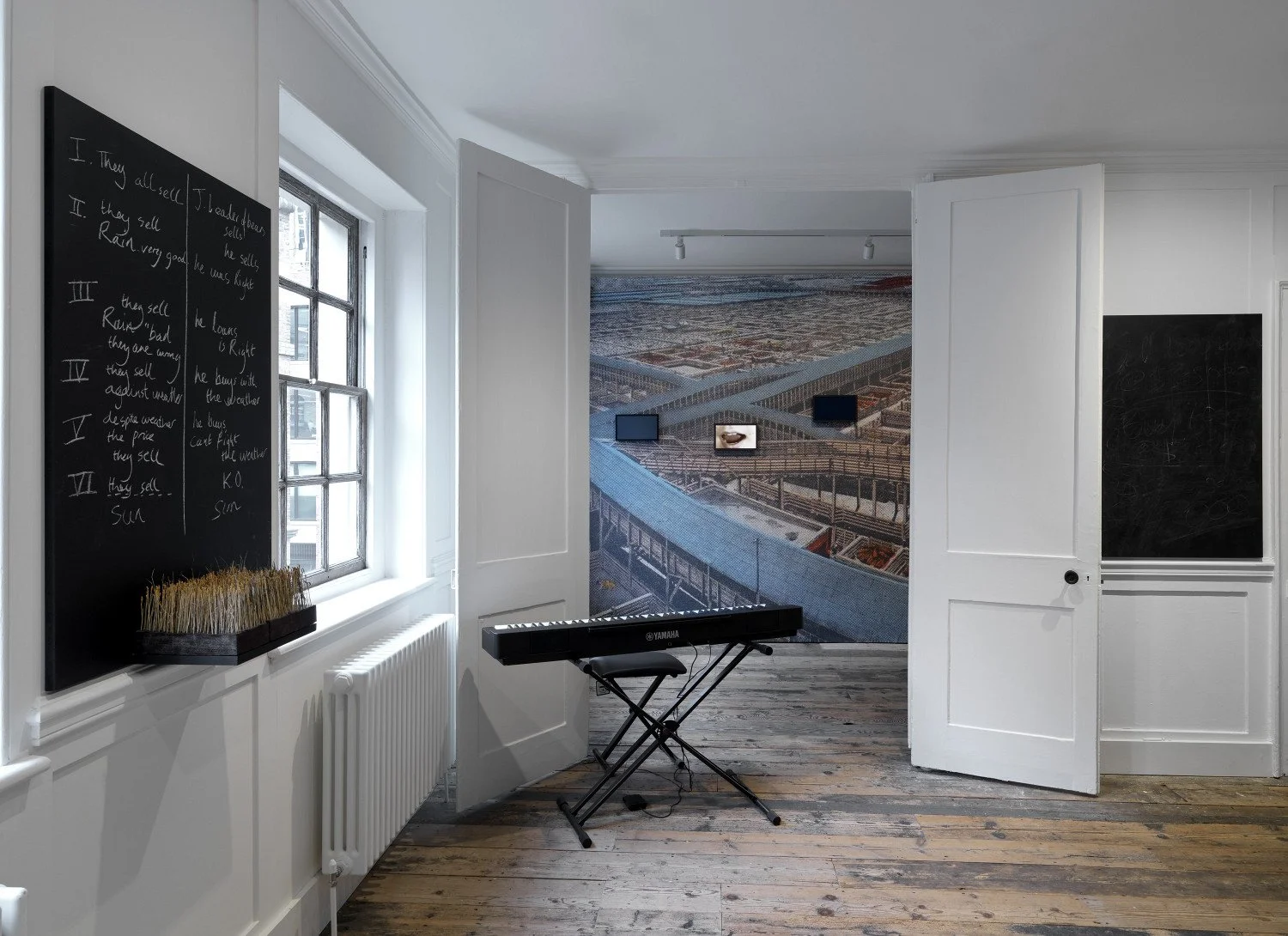
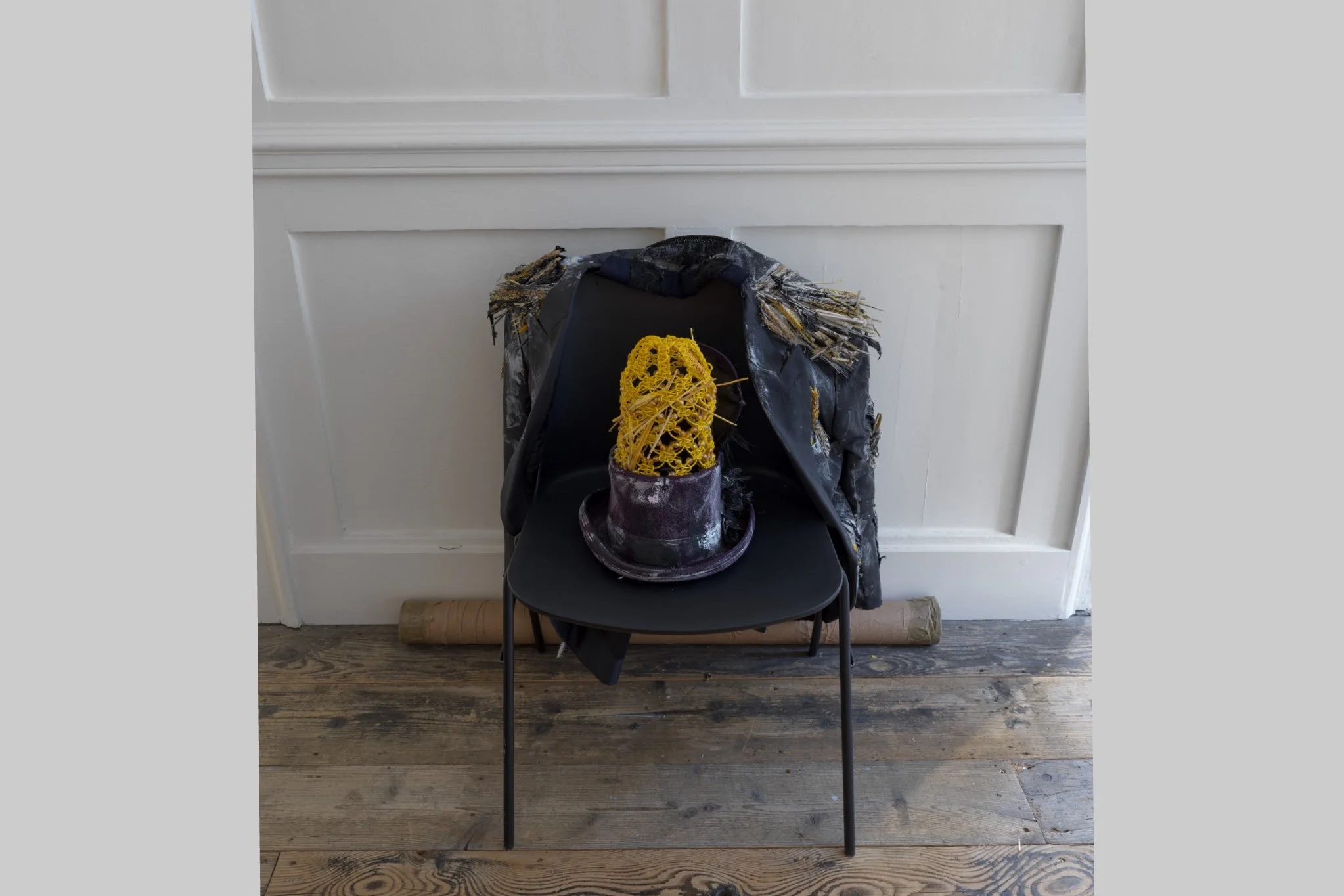
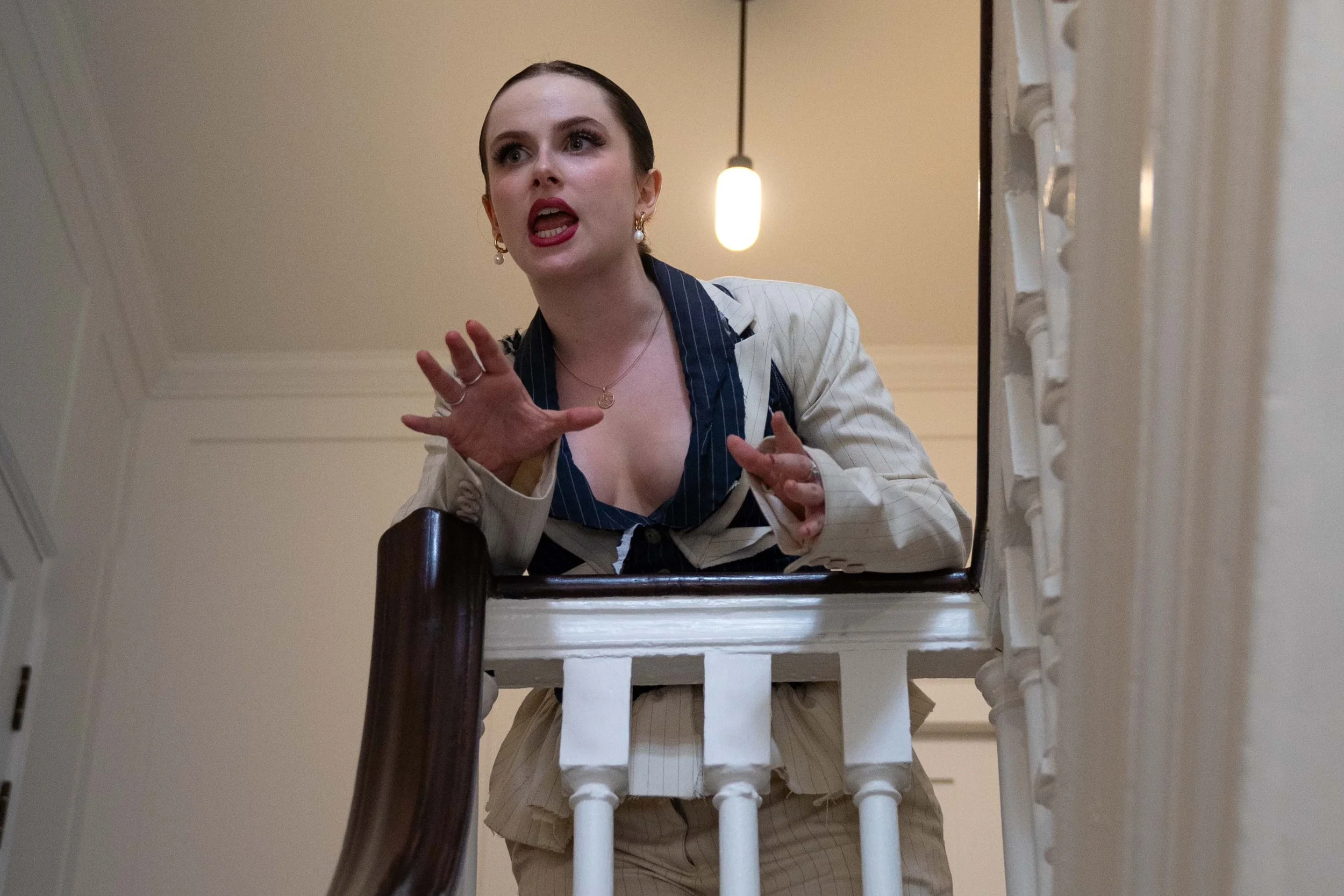
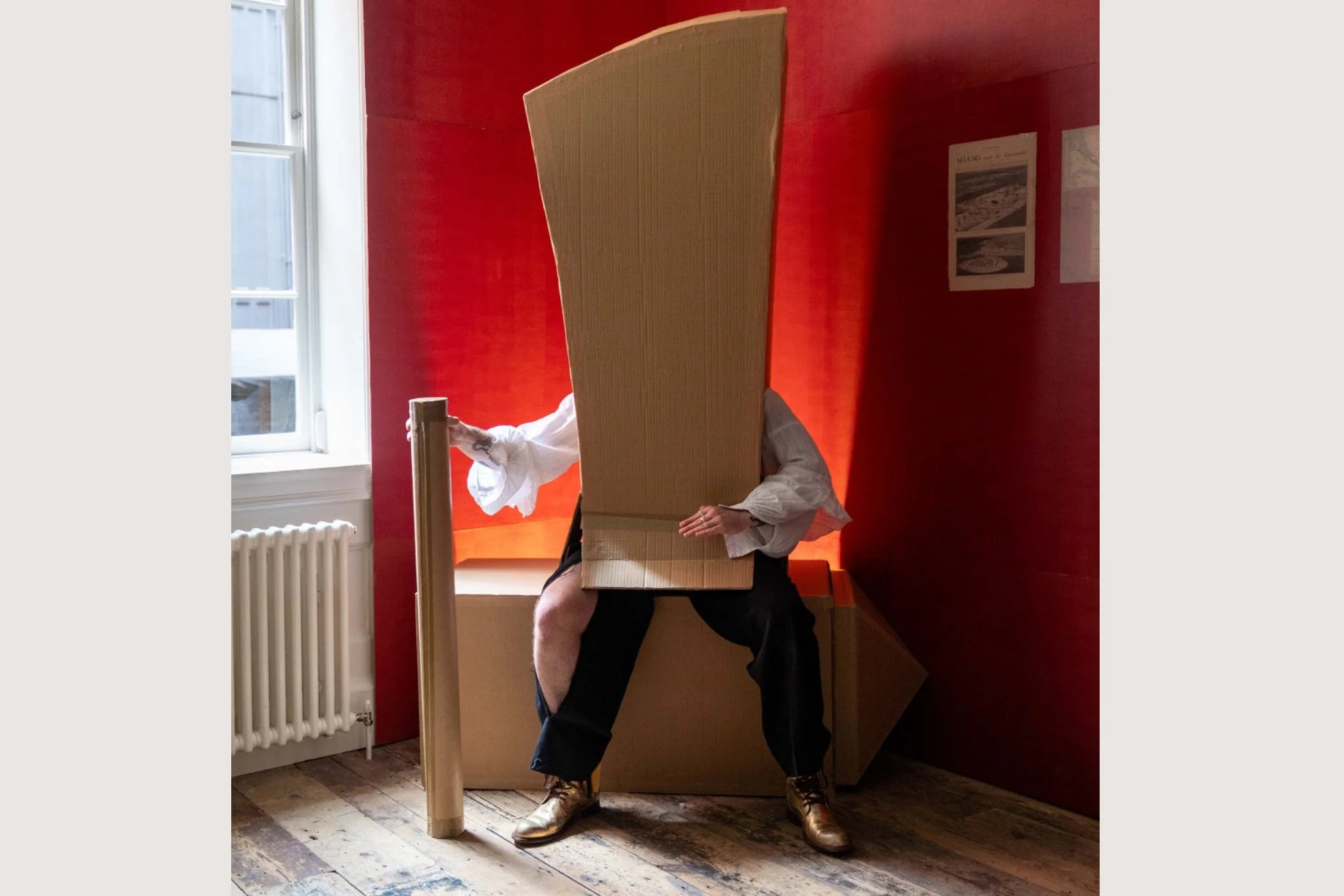
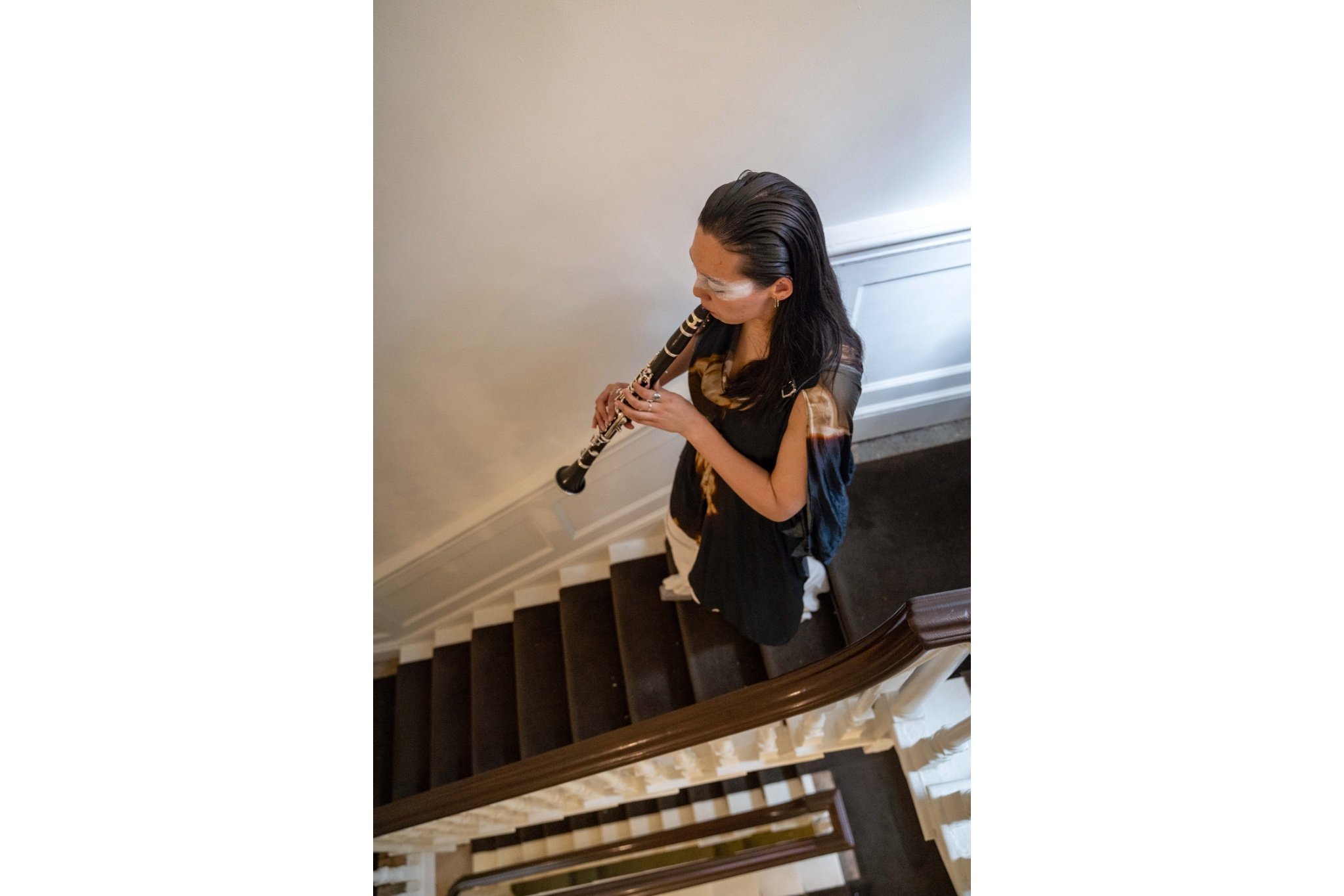
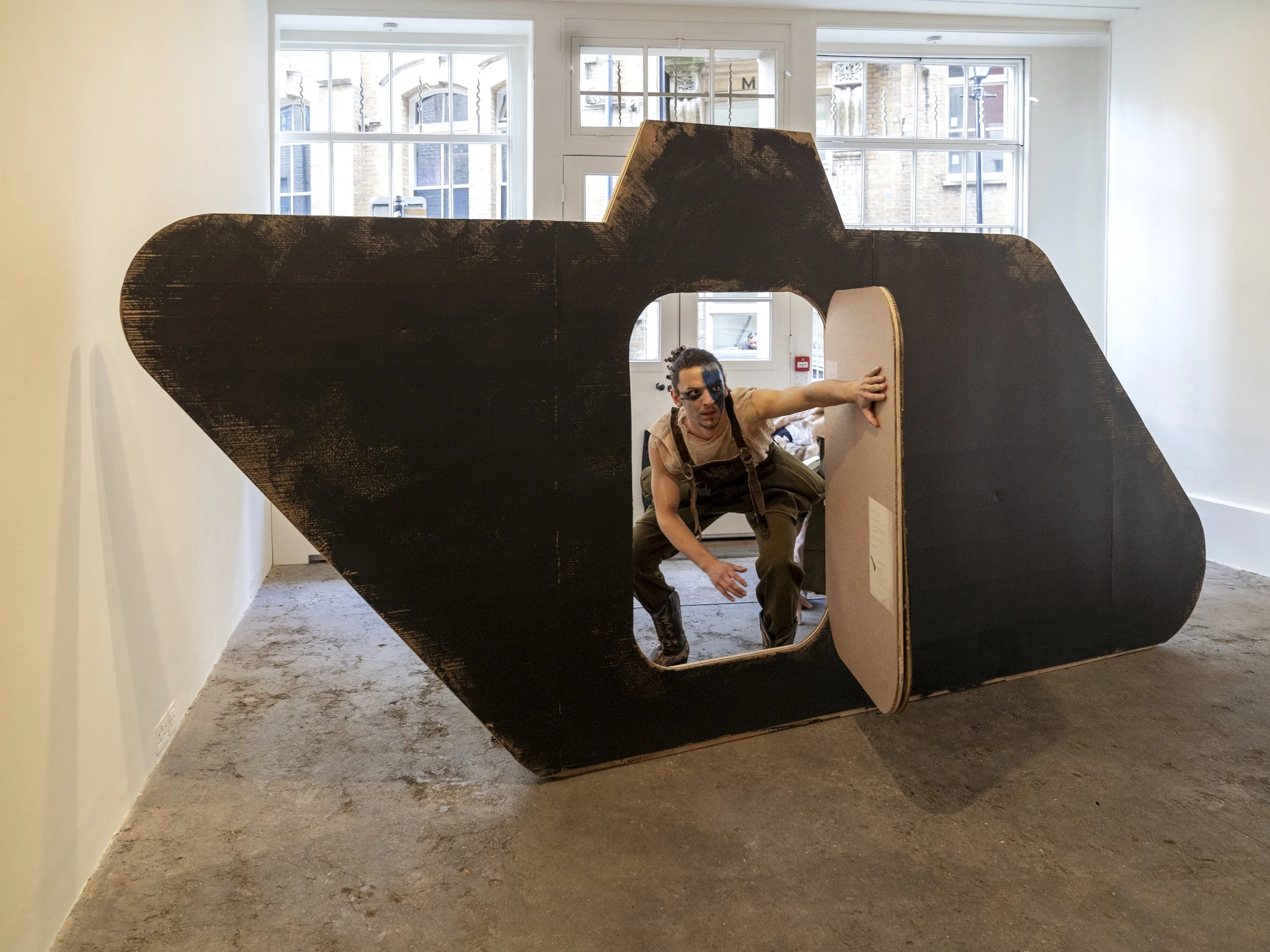
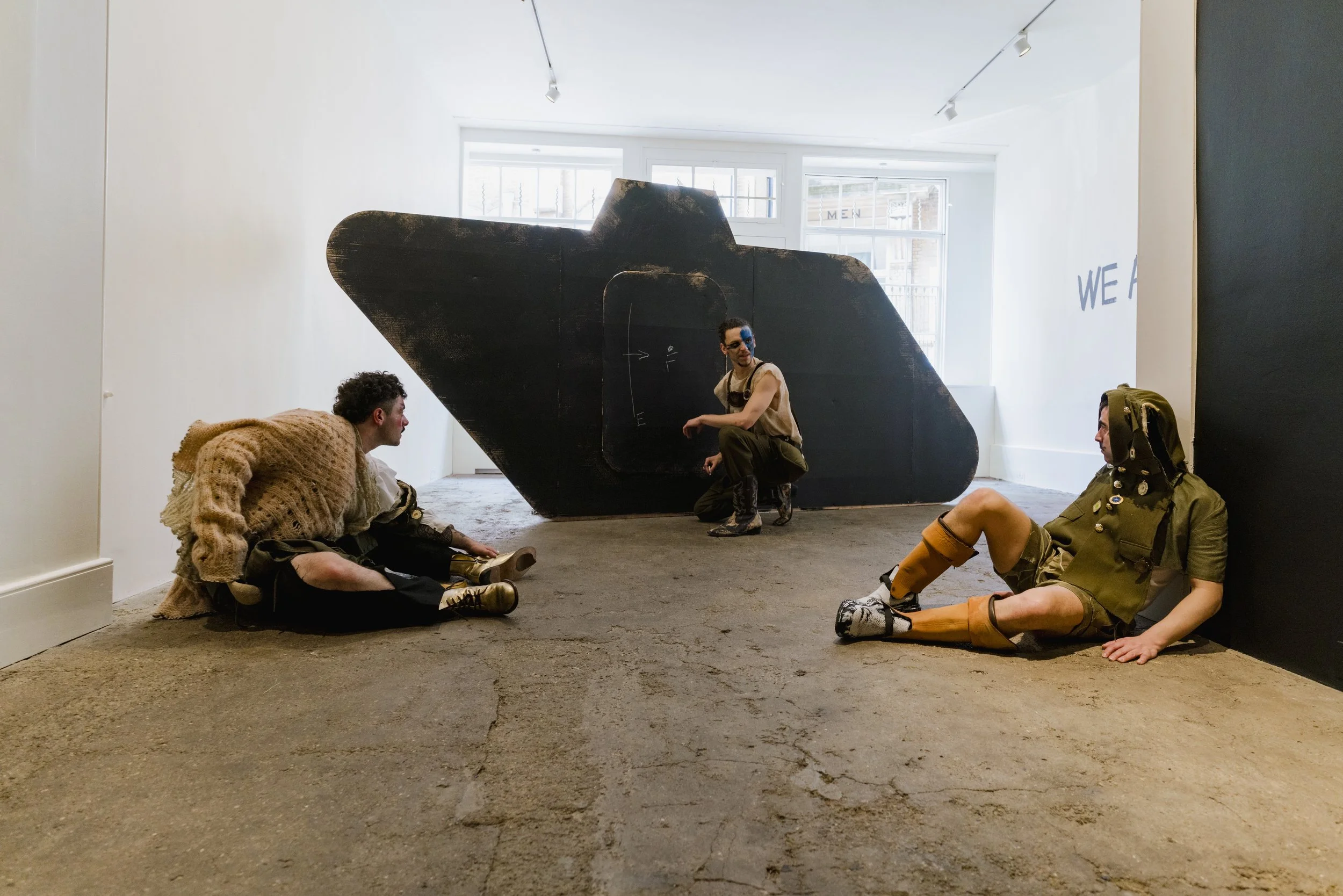
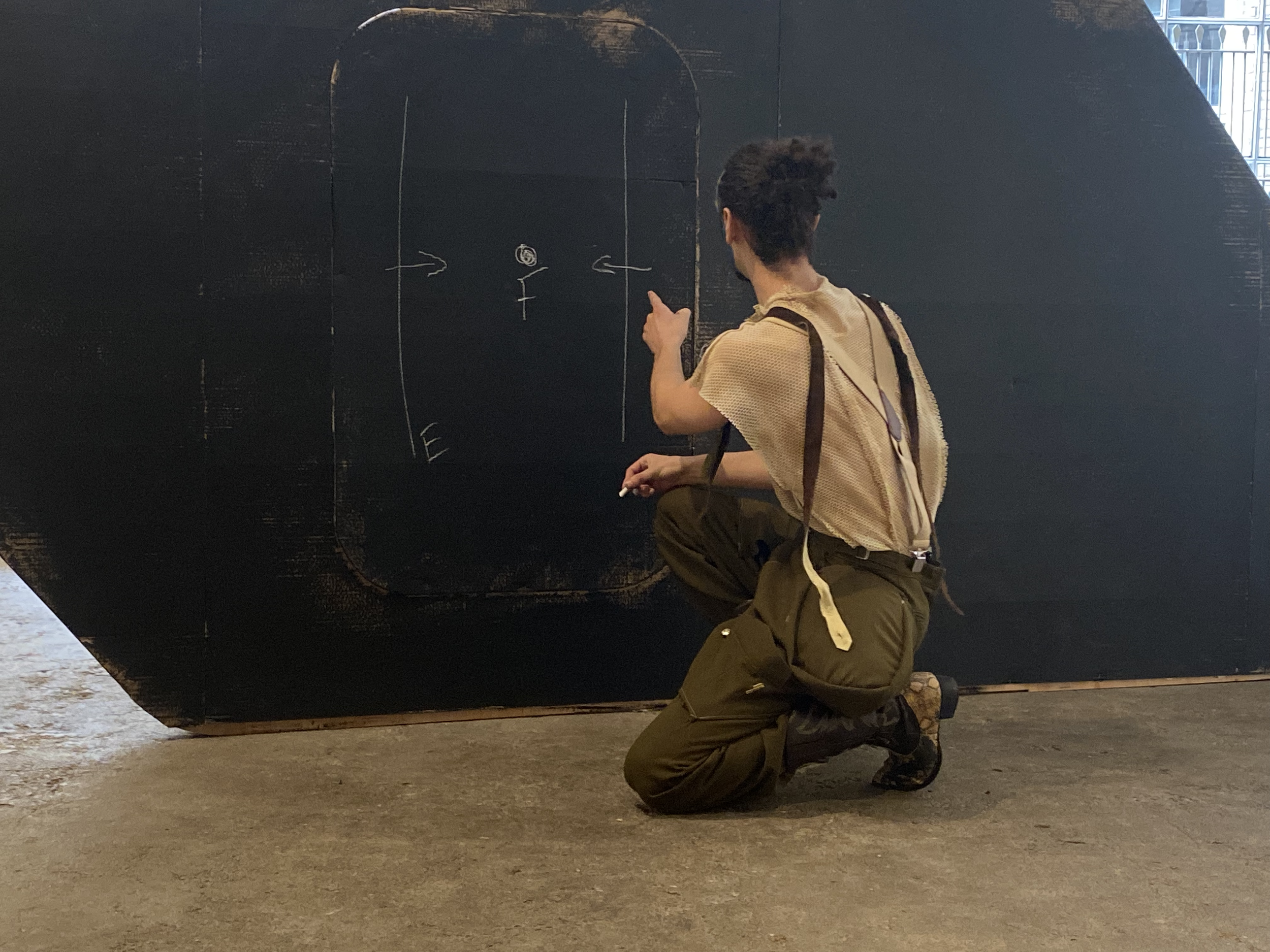
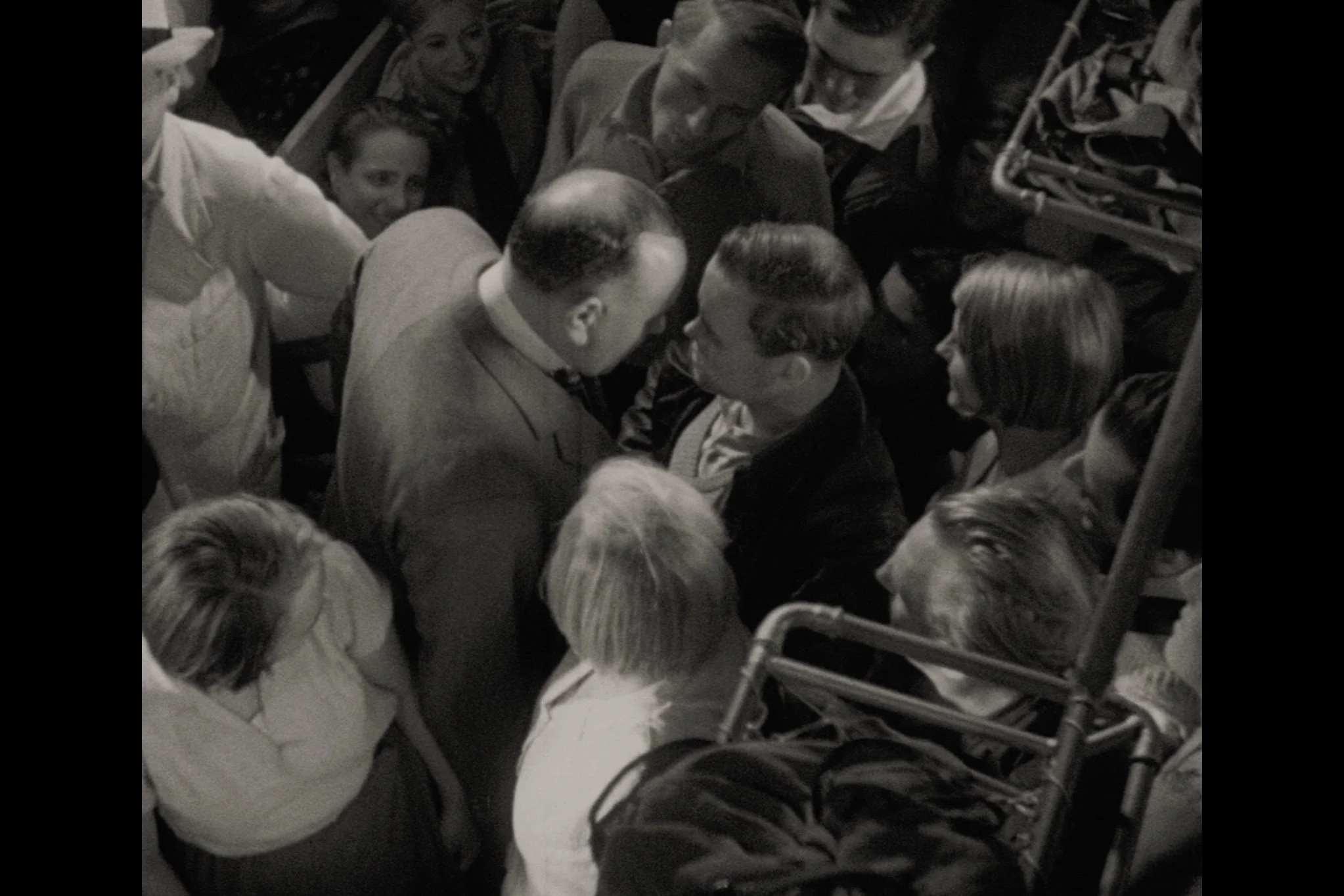
Scenes from four of Brecht’s dramatic fragments from the 1920s were performed twice-daily during the exhibition. Written for the most part collaboratively, as formal experiments rather than resolved plays, these texts reveal Brecht’s early investigations into politics and economics, and his pursuit of a dramatic form which could argue effectively for radical social change. Five of the galleries at Raven Row were used as performance spaces, remaining accessible to visitors during exhibition hours. Alongside scenographic elements, they contained reproductions of texts, drawings and visual materials, providing a unique glimpse into Brecht’s ground-breaking methodologies, whilst highlighting the crucial role of visual media and collagist techniques in his working process.
brecht: fragments was included in Artforum’s global Top Ten art shows chosen by Claire Bishop for 2024. She wrote:
Raven Row does the kinds of shows that London’s public institutions should be doing but aren’t. In this two-parter, folios from Bertolt Brecht’s scrapbooks, some never before exhibited, featured images of social unrest and the gestural language of dictators—plugging the historical (and conceptual) gap between Aby Warburg’s Mnemosyne Atlas, 1924–29, and Gerhard Richter’s Atlas, 1962–. Through them, Brecht’s compositional process was itself shown to be a form of collage; this insight was reiterated in the show’s vivid second half: daily performances of four unfinished theatrical fragments. Der Brotladen (The Breadshop, 1929–30) was the strongest, presented atop a scruffy floor of cardboard Amazon boxes. Brecht still punches hard; The Breadshop left me in tears at the dehumanization endemic to capitalism.